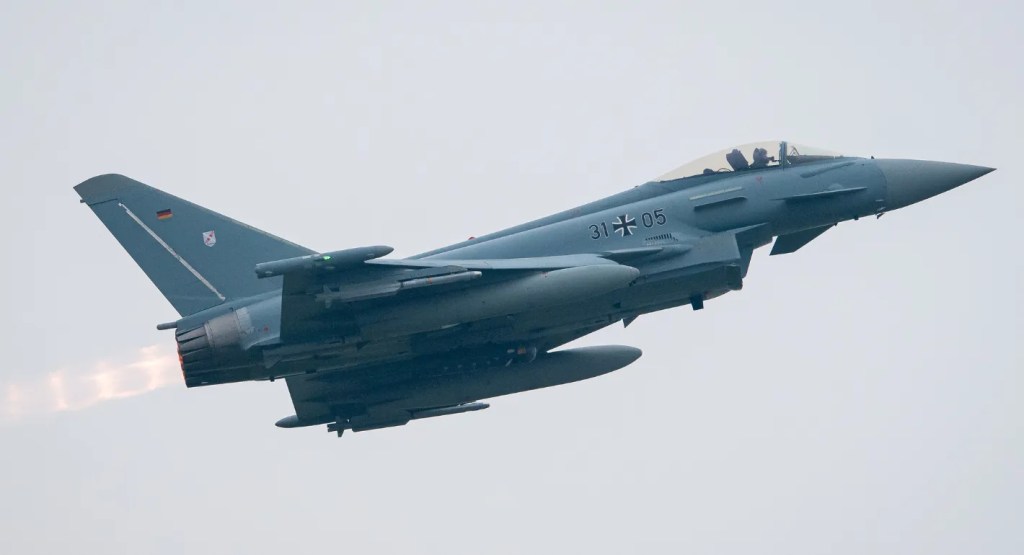
Europe’s next-generation fighter plane has not even taken off, and it looks as though it will be grounded indefinitely. The drama surrounding FCAS does not bode well for Franco-German defense industrial cooperation.
Germany has long sought to use the FCAS project to develop its own national aeronautics industry and skills base, which is why Dassault—among other reasons—has been reluctant to share technology so freely with partners.
The FCAS project reflects deep-seated divergent defense industrial interests, which are not easy to overcome. Could this cautionary case stand in the way of European joint capability projects? Perhaps. Yet, the key is to get the partner coalitions right and to iron out political expectations from the start.
Joint projects will likely go ahead at the EU level, but they may not always be centered on Franco-German cooperation. There is a need to study the FCAS project and to better understand why it has fallen apart, to ensure that mistakes are not repeated. If the failure of FCAS leads to greater dependencies on non-European weapons systems in the future, then this hardly bodes well for more European sovereignty in defense.
Image: Getty.
 Daniel Fiott