Author: Daniel Fiott
-
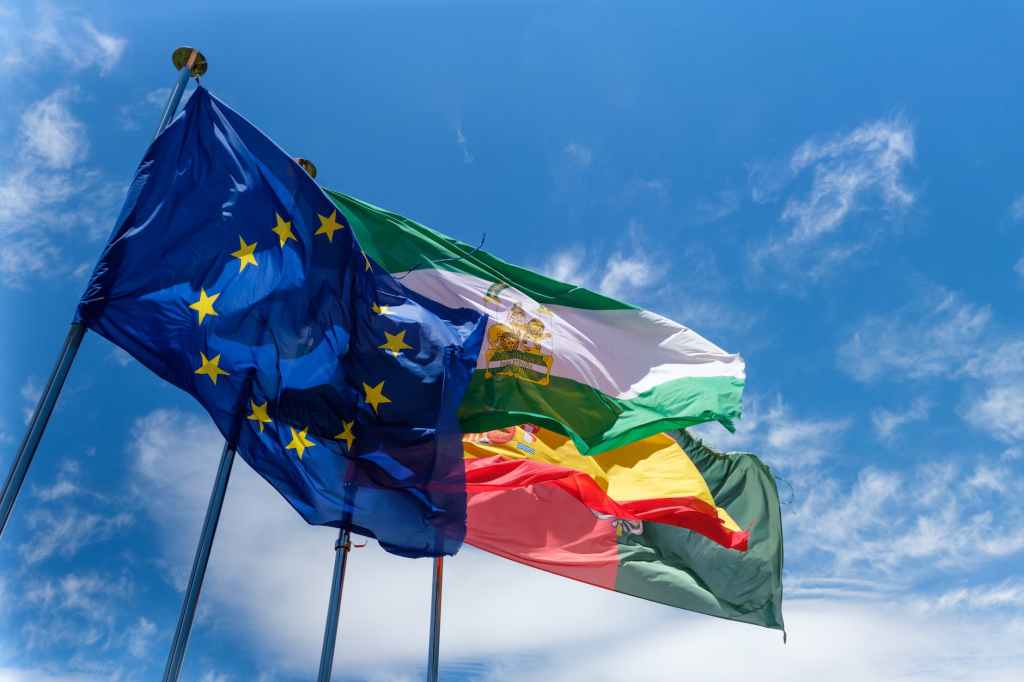
More Competitive, More Efficient? The 2013 European Commission Defence Communication
The European Commission has now released its 2013 Communication on defence-industrial policy. But does the latest set of policy ideas offer European defence-industrial cooperation any new impetus? This Brief argues that while the majority of the Commission’s initiatives are not new, some much needed ideas have made their way into…
-
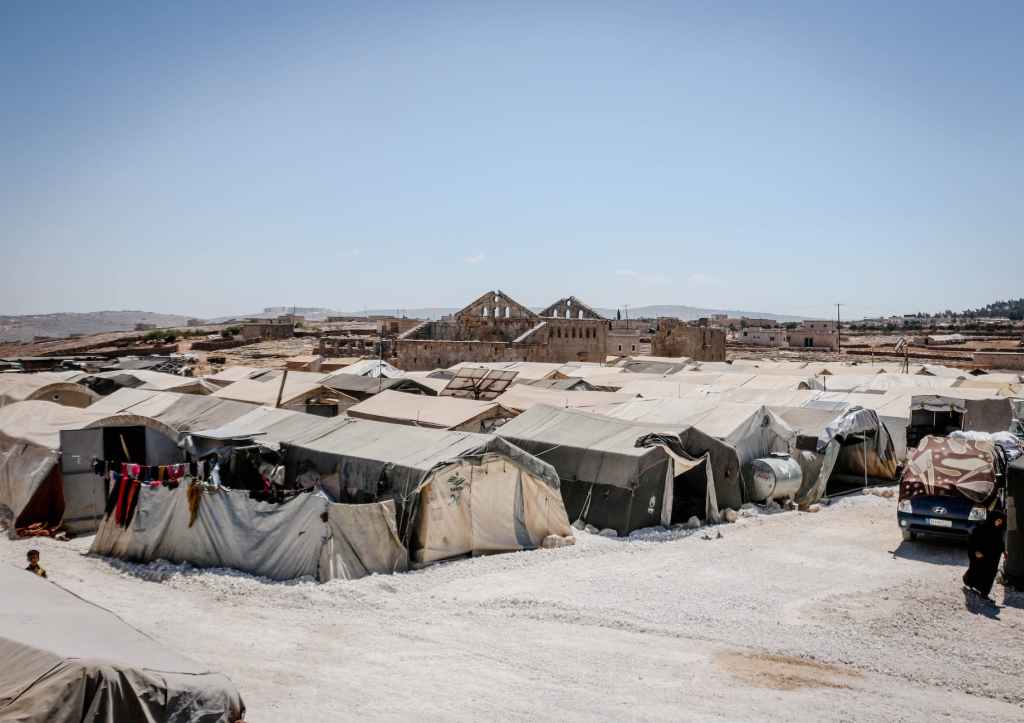
Realist Thought and Humanitarian Intervention
This article seeks to test the assumption that realism is completely hostile to the ethical and political notions of humanitarian intervention. The popular understanding of realism states that the national interest and international order will always trump the moral impulse to assist those suffering gross human-rights abuses at the hands…
-
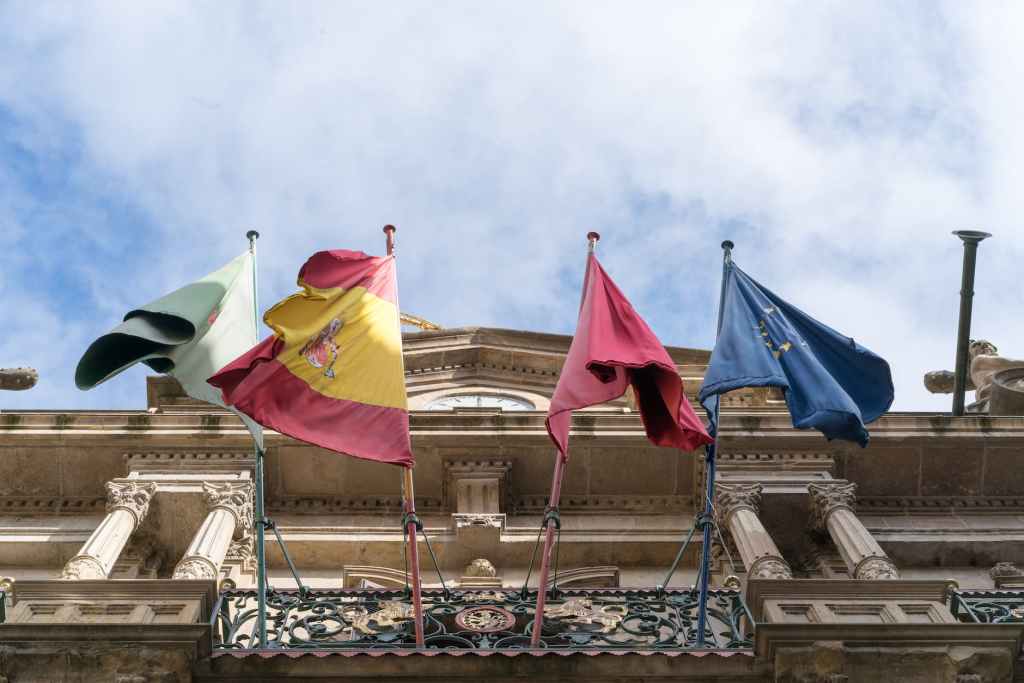
The Common Security and Defence Policy and IR Theory
Since its inception over a decade ago, the European Union’s (EU) Common Security and Defence Policy (CSDP) has seen the deployment of over 25 missions to various locations in the EU’s near and wider neighbourhood. Working under an EU banner and policy mechanisms, a number of member states have cooperated…
-

Europe and the Rest of the World
There were a number of leitmotifs by which to identify the European Union’s activities in 2012. The first of these was the eurozone crisis. A second theme was the change (or not) of key personnel: the election of François Hollande in France, the re-election of American President Barack Obama in…
-
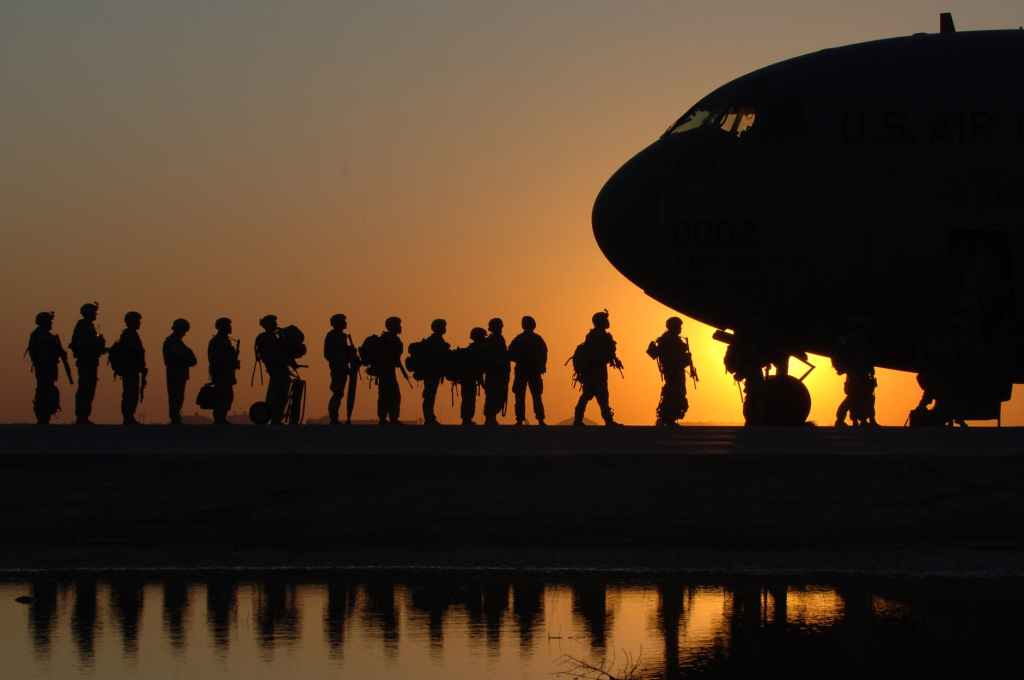
Improving CSDP Planning and Capability Development: Could there be a ‘Frontex Formula’?
The newly agreed operational rules for Frontex allows the Agency to, among other things, buy or lease its own equipment for missions and/or to do so in co-ownership with the Member States and to request national seconded staff for its operations. The new rules are a major step forward in…
-

The Sahel Crisis: Where do European and African Perspectives Meet?
The crisis in Mali has brought the Sahel to the centre of international attention. This fragile region not only suffers from longstanding development challenges, but also from an acute security vacuum that has triggered military intervention. Many questions have arisen as a consequence of the crisis. Has the European Union…
-

Safeguarding the EDTIB: the Case for Supervising non-EU FDI in the Defence Sector
It is time for the EU member states to start collectively supervising non-EU FDI in Europe’s defence industries and infrastructures. This should be a prudent element of the nascent EDTIB and a way to maintain European security by encouraging greater coordination between the national supervisory frameworks. Egmont Institute, 2012, No.…
-

How to Avoid the Three Pitfalls of European Strategy
European academics, think‐tankers and policy-makers make three consistent and critical errors when debating strategy: firstly, they do not clearly define what they mean by “strategy” – a problem that has long haunted the field of strategic studies; secondly, and as a result, they tend to speak of European strategic interests,…
-
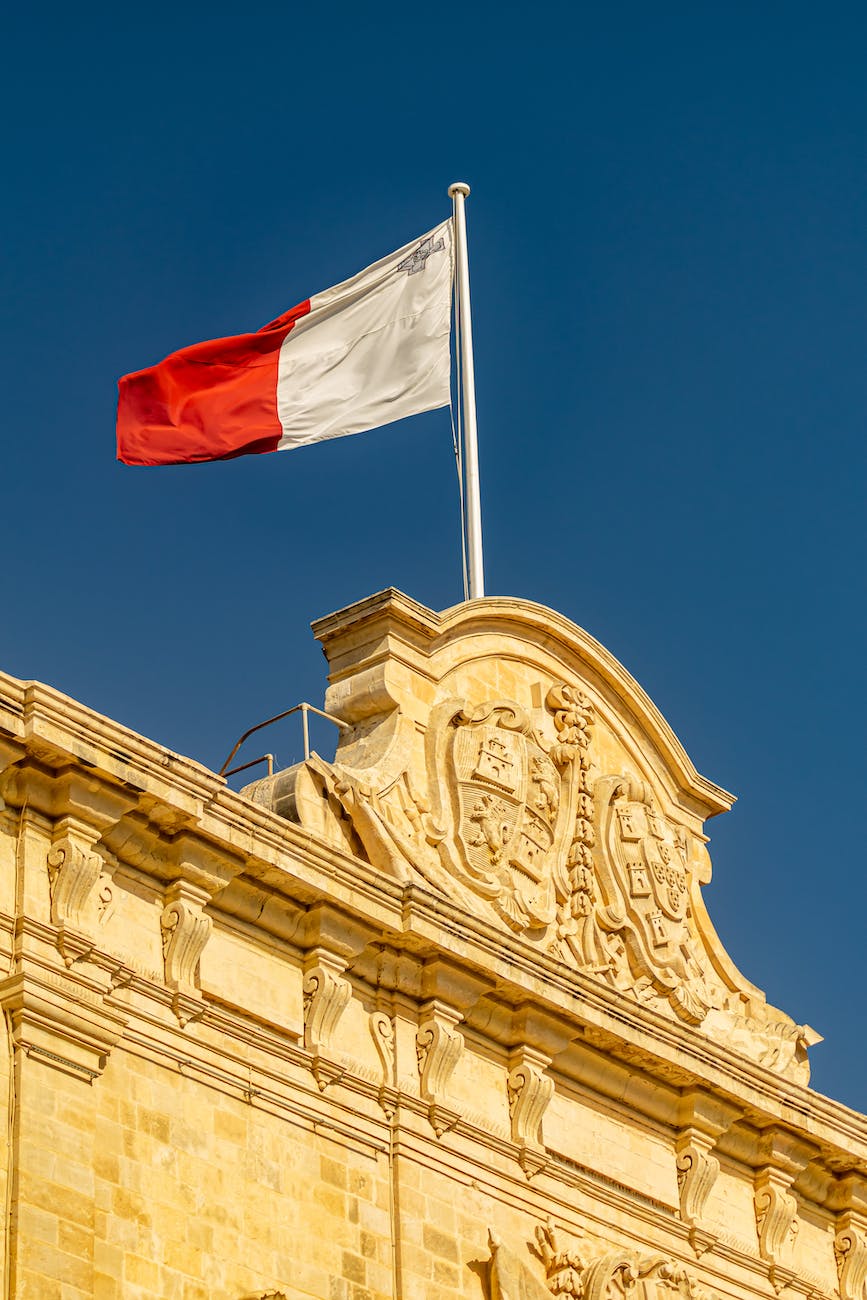
How Europeanised has Maltese Foreign Policy Become?
This essay focuses on the degree to which Maltese foreign policy has become Europeanized because of its membership in the European Union. The author focuses on three trends resulting from the Europeanization process: first, the ways in which Malta’s national policies and political structures have become altered to meet the…
-
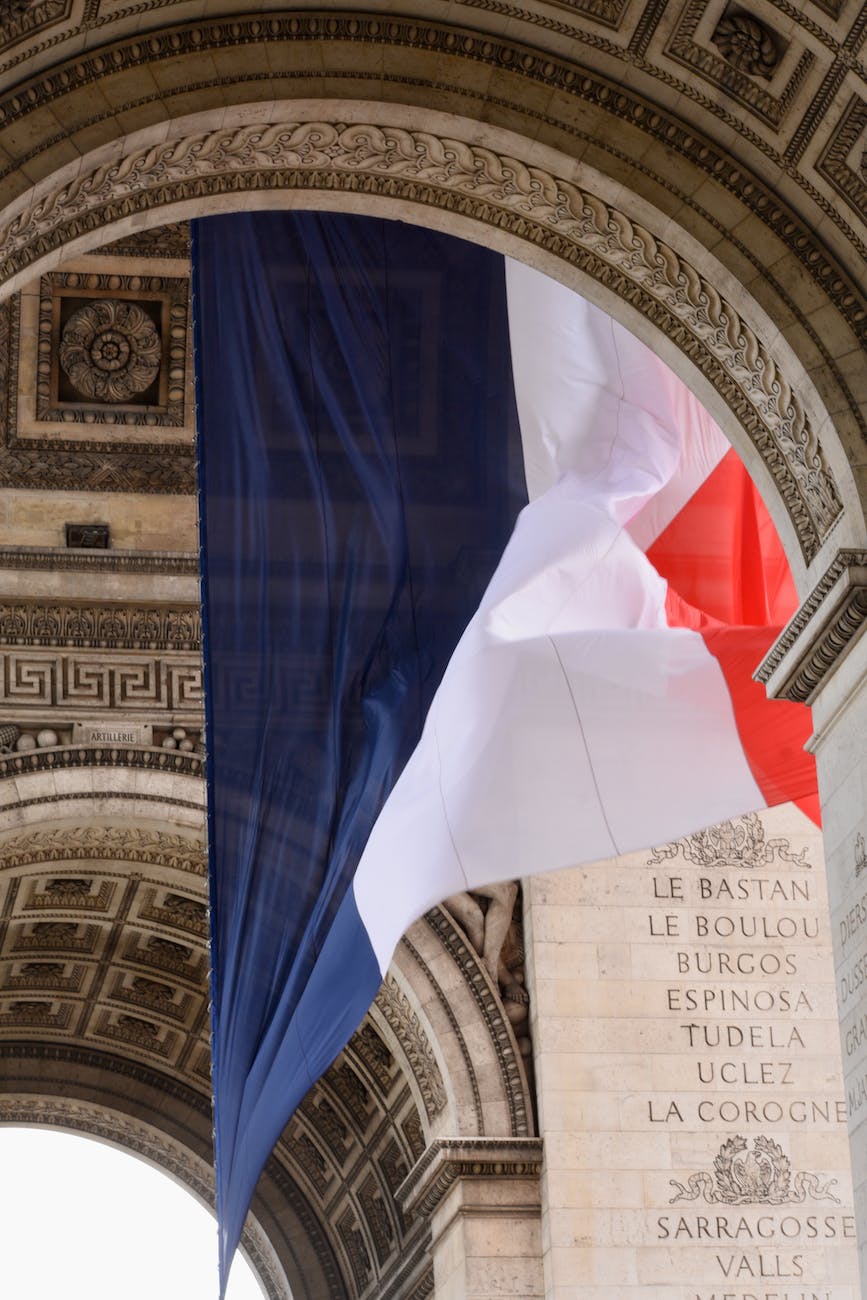
The French White Paper on Defence and National Security: NATO, Nuclear Weapons and Space
The 17 June unveiling of the French White Paper on Defence and National Security2 comes at a period of evolution in French defence and security policy. Reformation of its armed forces, its ambitions to re-integrate into the North Atlantic Treaty Organisation’s (NATO) military command and its plans to enhance the…
 Daniel Fiott