Category: Journal Articles
-

What Role for European Economic and Military Enablement in Deterrence?
Dans un environnement marqué par la superposition des crises, l’intensification des interdépendances et le retour assumé du rapport de force, les vulnérabilités des systèmes – énergétiques, informationnels, économiques, climatiques, logistiques – ne sont plus seulement des facteurs de fragilité : elles deviennent tout autant de leviers de conflictualité. Ce dossier…
-
Europe’s Rearmament Dilemmas
Europe has entered a profound rearmament cycle driven by Russia’s war on Ukraine, sharpening US strategic conditionality, and intensifying global geopolitical rivalry. After decades of underinvestment, European states are attempting to rebuild depleted stockpiles, scale up industrial production, and reconcile defense investments with fiscal, political, and technological constraints. The European…
-

The Three Images of EU Strategic Autonomy: Perspectives on Wedging, Binding and Hedging
This article considers concepts of European Union Strategic Autonomy in light of the growing scholarly literature on wedging and binding. The article presents three ideal types of strategic autonomy as the images of ‘responsibility’, ‘hedging’ and ‘independence’. It assesses each of these images against the wedging and binding strategies of…
-

From Liberalisation to Industrial Policy: Towards a Geoeconomic Turn in the European Defence Market?
The European defence market can be described as a geoeconomically relevant sector that forms part of Europe’s overall economy, not least in the way that it is a producer of military capabilities and technologies and a repository of scientific skills. Traditionally, European Union (EU)-level steps to support and liberalise the…
-

In Every Crisis an Opportunity? European Union Integration in Defence and the War on Ukraine
Russia’s war on Ukraine has upended the European security order. Ukraine has requested EU membership, unprecedented sanctions have been imposed on Russia, European countries have shipped weapons and munitions to Ukraine and NATO has shored up its military presence. Despite such action, is it possible to speak of a transformative…
-

Strategic Competition: Toward a Genuine Step-change for Europe’s Defense Industry?
Since 2016 the European Union has embarked on a step-change in the way it financially supports and incentivizes defense-industrial cooperation. The year 2022 will go down as another important moment in this process with the EU announcing a series of measures, such as joint defense procurement and joint planning and…
-

Europe and the South: the Maritime Dimension
Europe’s southern neighbourhood, for which the delineation varies according to the geopolitical and institutional frameworks considered, is critical from an economic and geopolitical perspective. Europe’s South remains affected by an arc of instability, running up from the Atlantic coast of Africa to the eastern fringes of the Middle East, encompassing…
-
The Fog of War: Russia’s War on Ukraine, European Defence Spending and Military Capabilities
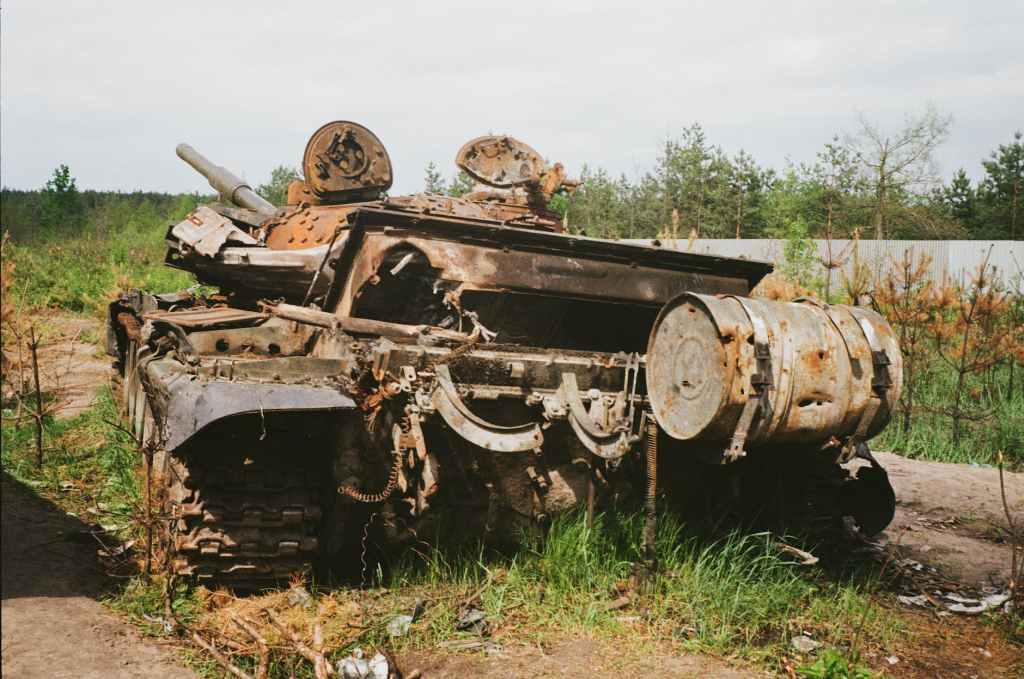
When war hits, some degree of analytical humility is required. No one knows how – or when – Russia’s war on Ukraine will end and the effects on European security over the medium to longer term (i.e. the next five to ten years) are unknown. Despite the analytical fog that…
-
The Multiannual Financial Framework and European Defence
Thirteen billion euros. This amount of money is perhaps of little significance when taken as a stand-alone item in the next EU Multiannual Financial Framework (MFF). But in light of the fact that the European Commission has requested this amount for defence research and capability development, it becomes much more…
-

America First, Third Offset Second?
In 2014, the US Department of Defense announced that it would embark on a new defence innovation initiative termed the ‘Third Offset Strategy’. This Obama-era strategy was conceived to overcome the perceived military-technological rise of states such as China, Russia, Iran and North Korea. Since the election of President Donald…
-

The European Defense Market: Disruptive Innovation and Market Destabilization
The global defense industry is shifting toward a new paradigm in which an emphasis on technology-driven capability development is being undermined by disruptive innovations emanating from the commercial sector. This evolution is likely to result in important effects on the defense market, lessening barriers to entry and turning upside down…
-
Patriotism, Preferences and Serendipity: Understanding the Adoption of the Defence Transfers Directive
The 2009 adoption of the EU directive on intra-Community transfers of defence equipment (‘ICT directive’) (2009/43/EC) aims to harmonize defence transfer licencing in the EU. The directive is part of a ‘defence package’ – along with a directive on defence procurement (2009/81/EC) – that is geared to liberalizing and regulating…
-

The EU, NATO and the European Defence Market: Do Institutional Responses to Defence Globalisation Matter?
The European Union (EU) and North Atlantic Treaty Organisation (NATO) are both institutions through which European states can engage in European defence–industrial cooperation. Each organisation embodies a unique set of institutional tools through which to manage issues such as the high and rising costs of defence procurement, technological innovation, defence…
-

The Trans-Pacific Partnership: Defence, Industry and Strategy
The Trans-Pacific Partnership, if ratified by all parties, is likely to have ramifications for the global defence market and the US’ economic and political strategy towards the Asia-Pacific region. Although the TPP excludes a number of defence-related issues such as defence procurement, the TPP’s provisions on technology transfers and intellectual…
-
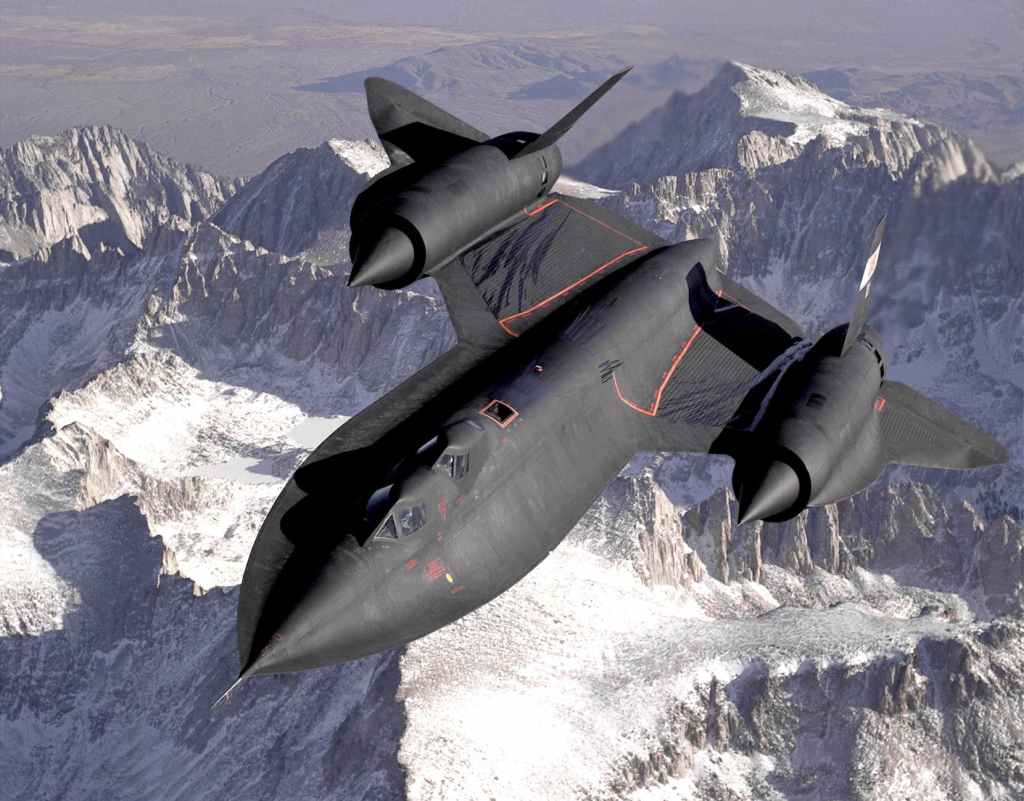
A Revolution Too Far? US Defence Innovation, Europe and NATO’s Military-Technological Gap
The United States is launching another defence innovation initiative to offset the growing military-technological might of countries such as China, Russia and Iran. However, by utilising emerging technologies from the commercial sector to achieve greater military power the US may further open up the technology gap within NATO. This raises…
-
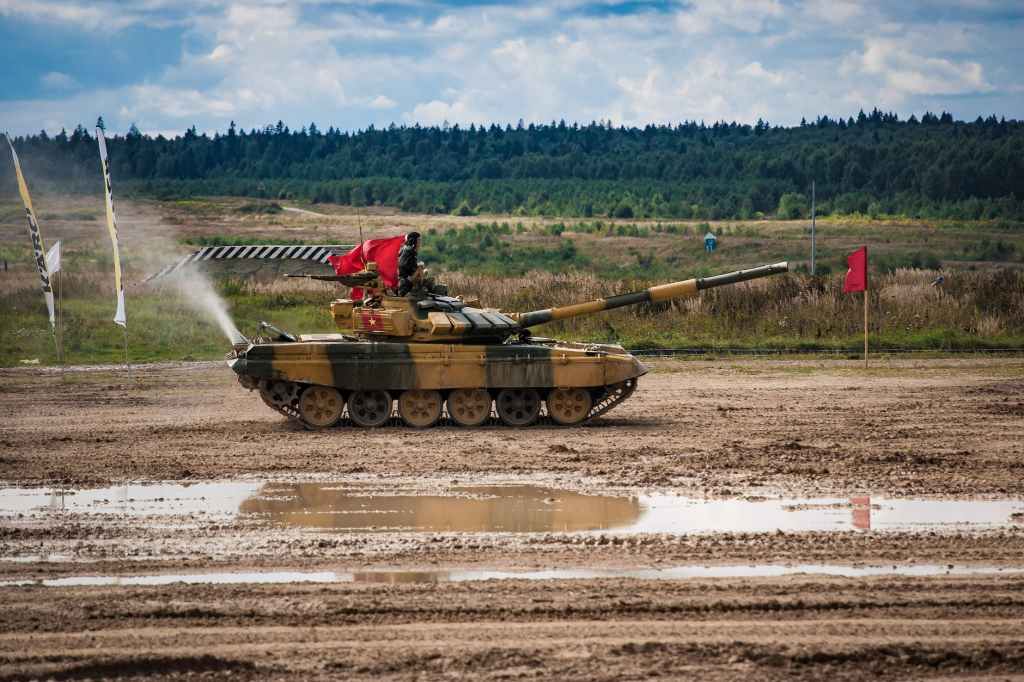
Modernising NATO’s Defence Infrastructure with EU Funds
A quietly important element of NATO’s Readiness Action Plan (RAP), agreed at the 2014 Wales Summit, is the Alliance’s need ‘to reinforce its eastern Allies through preparation of national infrastructure, such as airfields and ports’. Put simply, without the necessary infrastructure, including transportation networks and hubs, and energy supply lines,…
-

Europe and the Pentagon’s Third Offset Strategy
Faced with the prospect of its adversaries mitigating its long-held superiority in sophisticated weapons systems, the US announced in 2014 that it was about to embark on a ‘third offset strategy’ in order to maintain its military-technology edge. In its quest to harness new technologies and operational concepts however, the…
-
European Defence-Industrial Cooperation: From Keynes to Clausewitz
The European Union is still far from having a consolidated defence market but the European Defence Technological and Industrial Base (EDTIB) has emerged as a policy framework through which to liberalize and regulate defence markets, protect and sustain jobs and to improve the interoperability of Europe’s armed forces; all at…
-

The European Commission and the European Defence Agency: A Case of Rivalry?
This article analyzes relations between the European Commission and the European Defence Agency (EDA) as they relate to European defence-industrial co-operation. To undertake the analysis, the article departs from a strictly intergovernmental-supranational study of institutional relations by building upon the concept of ‘mandate overlap’. Additionally, the focus is on the…
-

Relations with the Rest of the World: From Chaos to Consolidation?
Our 2012 review painted a picture of an EU pulled between a seemingly inexorable series of internal crises, on the one hand, and myriad external demands, on the other (Hadfield and Fiott, 2013). The year 2013 largely continued the theme of balancing slow-paced internal consolidation with increasingly demanding diplomatic requirements…
-

Europe after the U.S. Pivot
Insofar as Europe’s security and cohesion have for decades been premised upon a strong American political and strategic engagement, Washington’s intention to “rebalance” to Asia casts a shadow over the sustainability of a stable and coherent geopolitical order on the continent. This article argues that as the United States seeks…
-
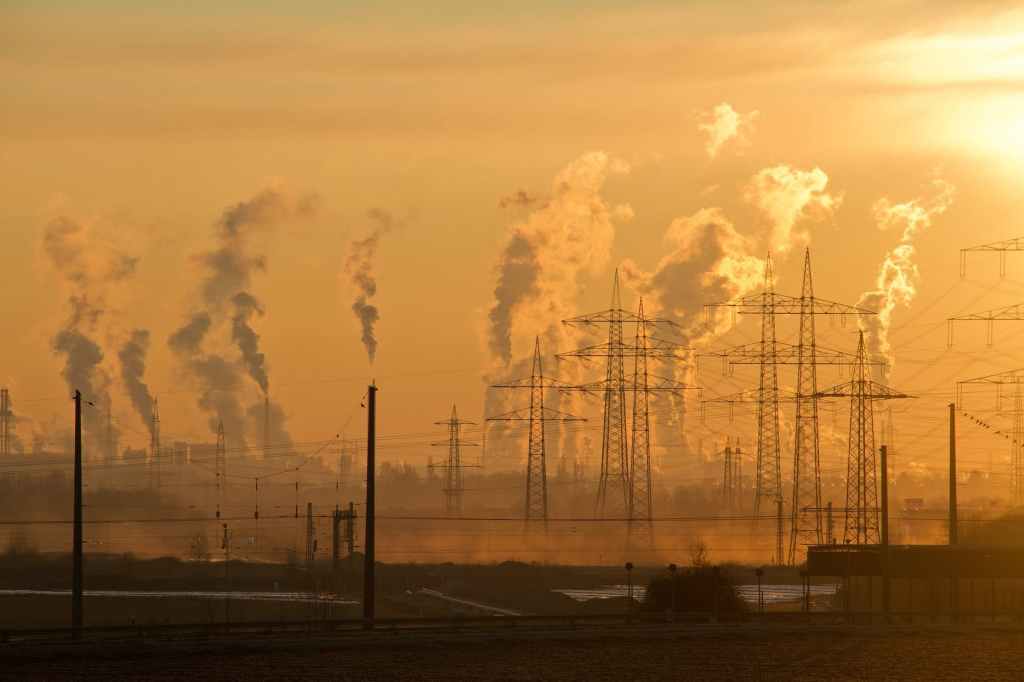
Reducing the Environmental Bootprint? Competition and Regulation in the Greening of Europe’s Defense Sector
As part of the European Union’s (EU) renewable energy and climate targets and its drive for sustainability, energy efficiency, and environmental protection, various elements of the defense sector in Europe are undertaking their own green initiatives. This is particularly important as the defense sector is one of the biggest public…
-
The ‘TTIP-ing Point’: How the Transatlantic Trade and Investment Partnership Could Impact European Defence
The European Union and the United States are on the verge of agreeing to a transatlantic free trade agreement. The proposed Transatlantic Trade and Investment Partnership is aimed at boosting EU and US economic growth, but the negotiating partners have not excluded the defence sector from negotiations. Europe is at…
-
Realist Thought and Humanitarian Intervention
This article seeks to test the assumption that realism is completely hostile to the ethical and political notions of humanitarian intervention. The popular understanding of realism states that the national interest and international order will always trump the moral impulse to assist those suffering gross human-rights abuses at the hands…
-

Europe and the Rest of the World
There were a number of leitmotifs by which to identify the European Union’s activities in 2012. The first of these was the eurozone crisis. A second theme was the change (or not) of key personnel: the election of François Hollande in France, the re-election of American President Barack Obama in…
-

Improving CSDP Planning and Capability Development: Could there be a ‘Frontex Formula’?
The newly agreed operational rules for Frontex allows the Agency to, among other things, buy or lease its own equipment for missions and/or to do so in co-ownership with the Member States and to request national seconded staff for its operations. The new rules are a major step forward in…
-

How Europeanised has Maltese Foreign Policy Become?
This essay focuses on the degree to which Maltese foreign policy has become Europeanized because of its membership in the European Union. The author focuses on three trends resulting from the Europeanization process: first, the ways in which Malta’s national policies and political structures have become altered to meet the…
 Daniel Fiott