-
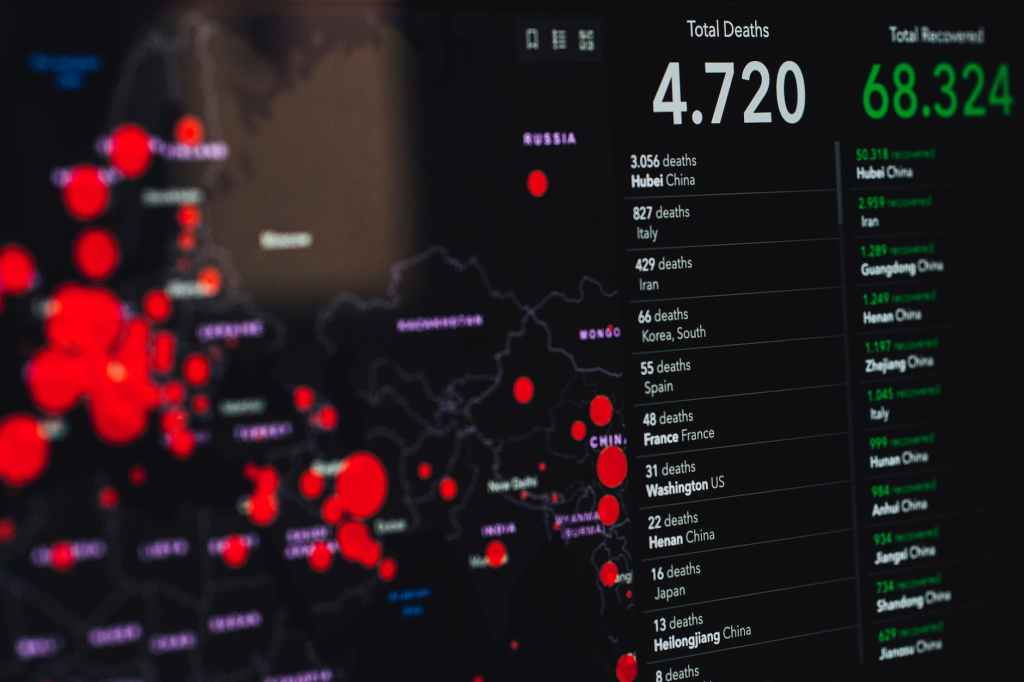
European Defence, Investment and the Covid-19 Pandemic
Introduction “Please answer the question!” proclaimed newly elected Member of the European Parliament (MEP) Klarissa de Jong. Sitting in an almost empty parliamentary committee room, one of the assembled officials from the Euro- pean Commission retorted: “any decision to invest in capability development through the European Defence Fund is taken by national capitals.…
-

Virtual Congo: Or the Limits of Technological Superiority
Introduction “Damn it!” Hidden behind an armoured vehicle, and looking down at the private’s blood-soaked body, Corporal Kohler began to breathe heavily as bullets whistled past his head. It was the sixth man he had lost this week. As he looked at the court house located in the Poto Poto neighbourhood, he could…
-

Going viral? EU defence and the response to COVID-19
By now, we are familiar with the serious risks posed by the COVID-19 pandemic. Militaries across Europe have been praised for their role in delivering medical supplies, transporting patients, testing citizens and building makeshift hospitals. Notwithstanding the current second and possible future waves of the virus, however, attention is turning…
-
Sovereignty over Supply? The EU’s Ability to Manage Critical Dependences while Engaging with the World
Abstract Fears about the EU’s trade, resource and technology dependences have only grown since the outbreak of the pandemic, even though US-China trade disputes and the rolling out of 5G have played a significant role, too. Some analysts have pointed to the beginning of a ‘decoupling’ of certain supply chains…
-
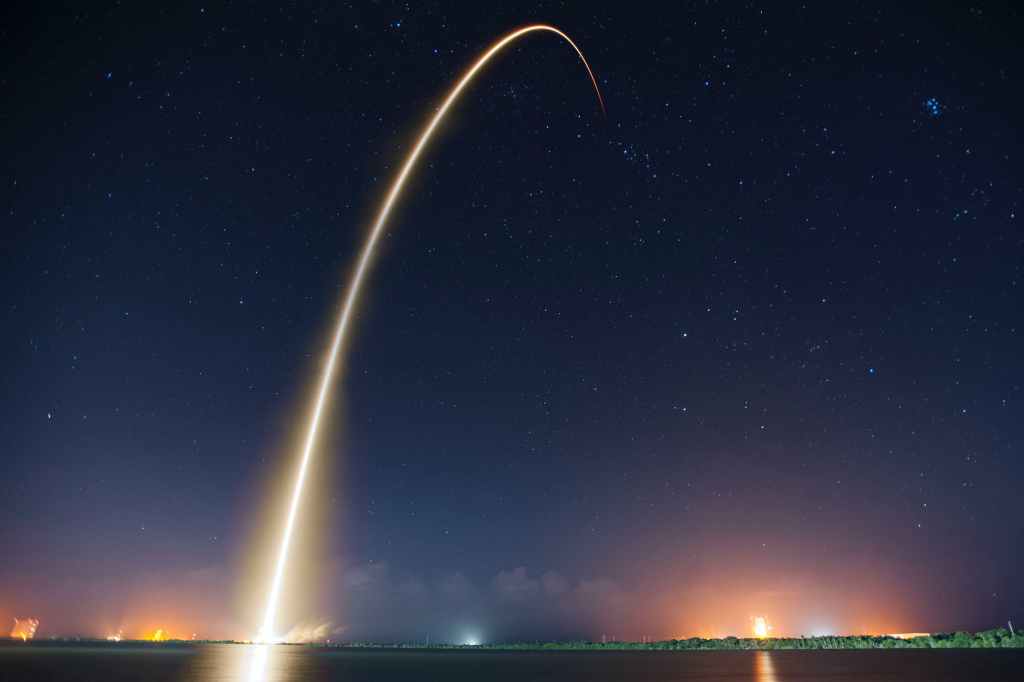
The European Space Sector as an Enabler of EU Strategic Autonomy
Today, the European Union can boast a degree of strategic autonomy in space. Projects such as Galileo have not only enhanced the EU’s economy, but they may confer on the Union the ability to amplify its Common Foreign and Security Policy and Common Security and Defence Policy. While the EU…
-

Yearbook of European Security 2020
Abstract The 2020 Yearbook of European Security provides an overview of events in 2019 that were significant for European security and it charts major developments in the EU’s external action and security and defence policy. The 2020 Yearbook of European Security contains region- and issue-specific sections, content-centric timelines, key EU…
-
The EU’s Strategic Compass and Its Four Baskets: Capability Development
The Strategic Compass promises to give the EU greater clarity over the strategic direction of CSDP and, potentially, EU security and defense more broadly. Which direction is the EU headed? What do North, South, East, and West mean in the context of CSDP? Who is carrying the Compass, and who…
-
Uncharted Territory? Towards a Common Threat Analysis and a Strategic Compass for EU security and defence
Words have meaning. European Commission President Ursula von der Leyen took up her mandate calling for a ‘geopolitical Commission’ and Josep Borrell, the High Representative of the Union for Foreign Affairs and Security Policy/Vice-President of the European Commission (HR/VP), echoed this by stating that the EU needs to ‘learn the…
-

The EU and Crisis Management in the age of Technological Disruption
International organisations are playing catch-up to the rapid development of emerging technologies and greater digitalisation, especially as these new systems and processes are being produced at a seemingly breakneck speed by a range of commercial and government actors. As of today, international actors such as the United Nations and the…
-
Financing Rhetoric? The European Defence Fund and Dual-use Technologies
The European Defence Fund reveals an intriguing aspect of dual-use theory and practice, namely, that the European Commission has committed to maintaining a specific ‘defence’ focus for the Fund in a sector that is increasingly marked by dual-use technologies and systems. This chapter analyses how the European Commission defines ‘defence’…
-

EU-Japan Cooperation on Defence Capabilities: Possibilities?
European countries and Japan both possess advanced defence technologies and they can bring to bear a range of civilian or dual-use technologies for defence procurement and defence research. At the same time, both players recognise that it is increasingly difficult for individual countries to manage defence equipment projects without cooperation.…
-
Europas Verteidigung sollte nicht Opfer des Lockdowns sein
Covid-19 wird die Welt nicht sicherer machen, im Gegenteil. Die EU sollte den Verteidigungssektor bei ihren finanziellen Planungen deshalb besonders berücksichtigen. Ein Gastbeitrag. Frankfurter Allgemeine, 2020 Read more
-

The EU must not let the four horsemen of the Apocalypse weaken Europe’s security
The looming economic recovery may take its toll on Europe’s armed forces and civilian experts – they will be expected to do more with less money. This has to be avoided at all costs. Were there not four horsemen of the Apocalypse? Just as the virus was spreading in China,…
-
CSDP in 2020: The EU’s Legacy and Ambition in Security and Defence
The past 20 years of the Common Security and Defence Policy (CSDP) have taught us more about the EU as an international actor. While the Union has not entirely lived up to the ambitions set down by European ministers at the Helsinki European Council in December 1999, the EU has developed…
-

Will European Defence Survive Coronavirus?
The tragedy that is the Coronavirus has already claimed too many lives, but it has also allowed Europe’s public services to shine. Citizens across Europe are rightly applauding the tireless work of medical professionals, police and transport workers. Europe’s armed forces have also been called on to roll back the virus. Whether…
-

Small can be beautiful… in defence
How are small states supposed to make sense of all the changes that have taken place in EU security and defence since 2016? It can often feel like EU defence is a subject reserved for the ‘big fish’ like France and Germany, but EU initiatives like Permanent Structured Cooperation (PESCO)…
-

Digitalising Defence: Protecting Europe in the Age of Quantum Computing and the Cloud
Abstract Digital technologies can vastly improve the operational readiness, effectiveness and technological sovereignty of Europe’s armed forces. For defence to benefit from digitalisation, both the greater interoperability of digital technologies and financial investment is required. The Multi-annual Financial Framework is a test for how serious EU member states are about the digital agenda but low…
-

A Future Scenario for a More Strategic EU Defence
Abstract As the journalist from Euronews asked what it was like to be held hostage by jihadists for four months since June 2024, the three student backpackers could not hold back the tears. Europeans Paulus Klimitz and Katriona Wicedz and the American John O’Connor were visibly emotional as the EU Ambassador to…
-
Strategic Investment: Making Geopolitical Sense of the EU’s Defence-Industrial Policy
Abstract This Chaillot Paper focuses on new EU initiatives in the defence domain – in particular the creation of the European Defence Fund – and on the Union’s evolving role and engagement in this sector. The paper seeks to address three specific questions: (i) how can economic and political factors be balanced…
-
Defence Industrial Cooperation in the European Union: The State, the Firm and Europe
This book provides an empirical understanding of how EU-level defence industrial cooperation functions in practice. Using the Liberal Intergovernmental theoretical model, the book argues that while national economic preferences are an essential factor of government interests they only explain part of the dynamic that leads to the development of defence…
-
What Does It Mean to Be a European Defense Company Today?
Après deux décennies marquées par de faibles investissements, la remontée des budgets de défense en Europe et le lancement de nouvelles initiatives (Coopération structurée permanente et Fonds européen de défense en particulier) laissent penser que le tabou sur l’utilisation de fonds européens dans le domaine de la défense est tombé,…
-
Stress Tests: An Insight into Crisis Scenarios, Simulations and Exercises
Abstract Crisis simulations and exercises are an effective way of broadening the minds of decision-makers, forecasting the future, identifying capability gaps, pin-pointing the weaknesses and strengths in the crisis response architecture and developing crisis response networks. The EU increasingly makes use of crisis scenarios. However, simulations and exercises can only add…
-
EU – NATO Relations: Defence Industry, Industrial Cooperation and Military Mobility
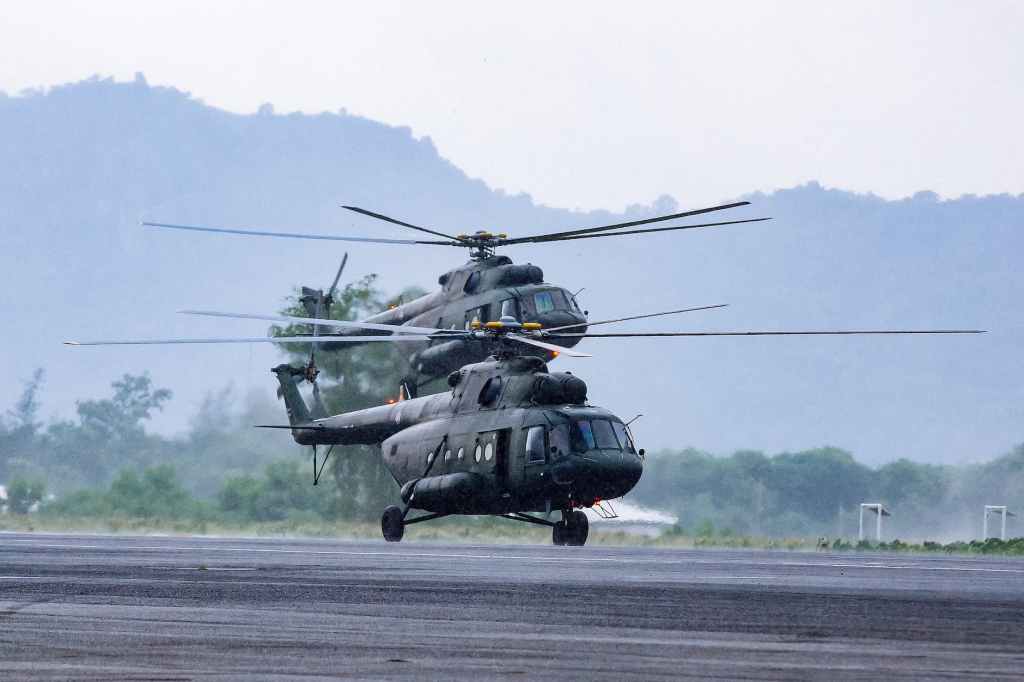
Abstract Issues pertaining to the defence industrial sector represent a perennial tension in EU- NATO relations. The tension exists both between the two organisations and the con- stituent members of each body. In short, the possibilities for and limits to EU-NATO cooperation on defence-industrial matters are conditioned by considerations of…
-

Yearbook of European Security 2019
Abstract The 2019 Yearbook of European Security provides an overview of events in 2018 that were significant for European security and charts major developments in the EU’s external action and security and defence policy. With a new data-rich look, the 2019 Yearbook of European Security contains many novel features including…
-

The Poison Pill: EU Defence on US Terms?
It took two letters. One, sent to Brussels on 1 May 2019 by two US undersecretaries, accused the EU of damaging transatlantic cooperation and hindering US access to Europe’s defence market through the rules it plans to set for the participation of third states in the European Defence Fund (EDF)…
-
The European Union
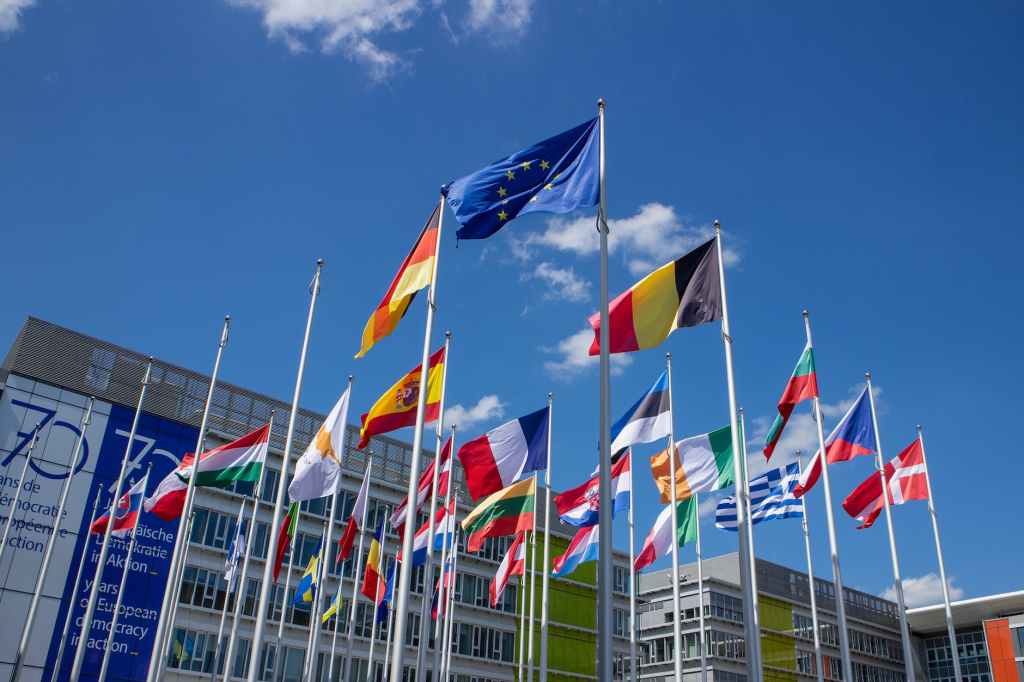
Many theorists and policymakers may be surprised to learn that an international organization, such as the European Union, has the capacity to form and articulate its own grand strategy. However, identifying “who” makes EU grand strategy is challenging. A range of institutions and actors play a role in the formulation,…
-

Innovating and Offsetting? The Political Economy of US Defence Innovation
Defence is the ultimate public good, and it thus falls to government to determine the appropriate amount of public revenue to commit to the defence of the realm. This will depend on history, strategic threat, international security obligations, entreaties from allies and, of course, the threat faced. The Political Economy…
-

Protecting Europe: The EU’s Response to Hybrid Threats
Abstract Hybrid threats – unconventional threats that fall under the threshold of military force – have become a ubiquitous feature of today’s security environment. Although the EU is much better placed to detect and combat hybrid threats today than was the case five years ago, this new form of asymmetric…
-
The Scrutiny of the European Defence Fund by the European Parliament and National Parliaments
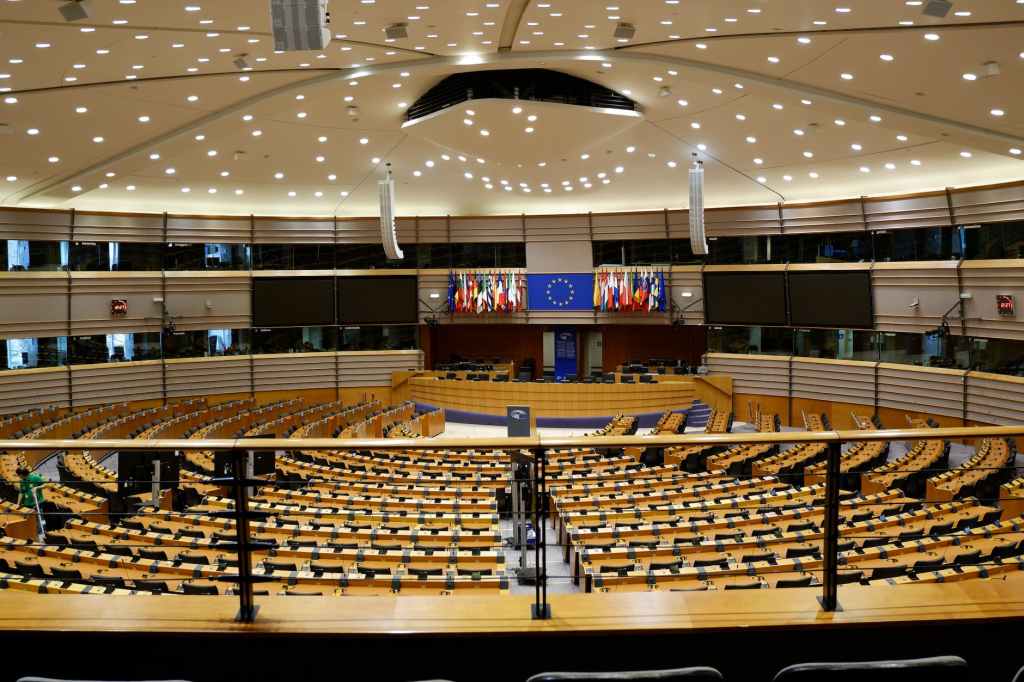
Since 2016, the European Union has developed a number of new initiatives on security and defence. In particular, the introduction of Permanent Structured Cooperation and the European Defence Fund have been designed to allow the EU to become a more autonomous actor with regard to crisis management, capacity building and…
-
A Scenario Involving the Hijacking of a Foreign Submarine
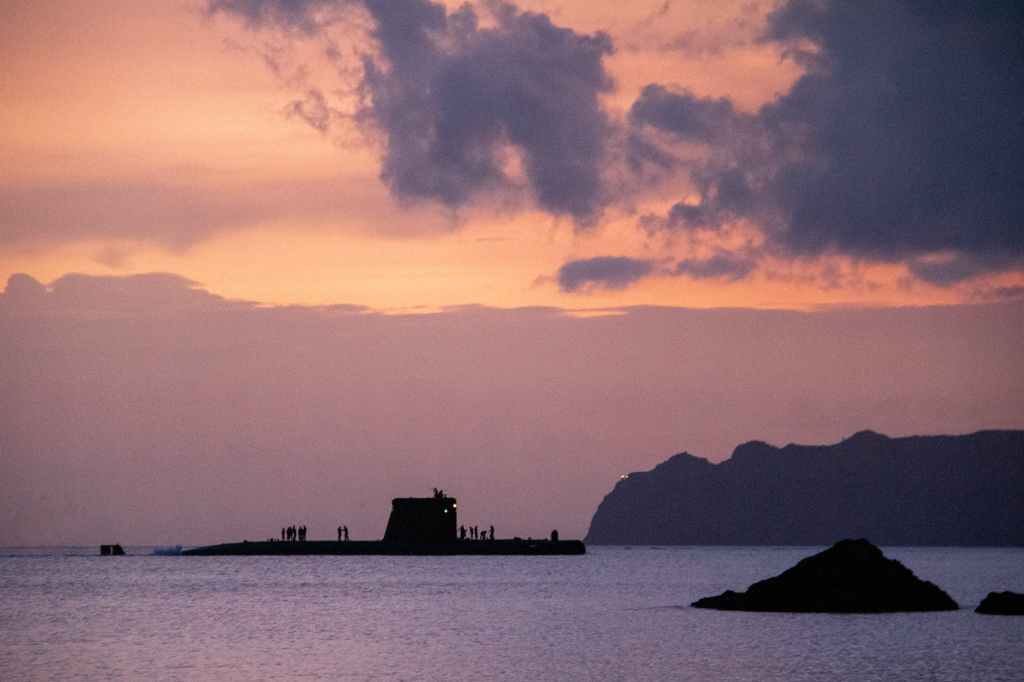
At 04:44 on 17 May 2021, government au- thorities from the Republic of Zirta re- ceived communication from the ‘New Petra Circle’ (NPC) terror group that a diesel-powered submarine (Kilo-class) belonging to the navy of the Federal Republic of Parousia had been hijacked in the Zirtian harbour city of Plimsolla. Parousian officials confirmed to…
-
Subscribe
Subscribed
Already have a WordPress.com account? Log in now.
 Daniel Fiott