Tag: Defence
-

The CARD on the EU Defence Table
In the 14 November 2016 Council conclusions, member states recognised that there was a need to ‘deepen defence cooperation and ensure more optimal use, including coherence, of defence spending plans’. Although the European Defence Agency (EDA) has been working towards these objectives since 2004, a more ‘structured way to deliver…
-
Patriotism, Preferences and Serendipity: Understanding the Adoption of the Defence Transfers Directive
The 2009 adoption of the EU directive on intra-Community transfers of defence equipment (‘ICT directive’) (2009/43/EC) aims to harmonize defence transfer licencing in the EU. The directive is part of a ‘defence package’ – along with a directive on defence procurement (2009/81/EC) – that is geared to liberalizing and regulating…
-

European Defence: The Year Ahead
After several months of intense work, the European Union ended 2016 having agreed to a number of fresh initiatives designed to articulate (and act on) a new level of ambition for security and defence. Under the overall direction laid down by the EU Global Strategy (EUGS), a specific plan on…
-

Making Europe and Europeans Safer
One of the criticisms associated with plans for closer European defence cooperation is that there are no new ideas around. The ‘EU Battlegroups’, ‘Permanent Structured Cooperation’, even the idea for an ‘EU Operational Headquarters’ or a ‘Defence Semester’ are seen as old and sometimes unwieldly initiatives, reminiscent of debates that…
-

After the EU Global Strategy: Security and Defence – Consulting the Experts
Following the publication of the EU Global Strategy on Foreign and Security Policy (EUGS) in June, attention has now turned to how the strategy can concretely be implemented. A Security and Defence Implementation Plan (SDIP) will focus on the EU’s ability – primarily through the CSDP – to respond to…
-
After the EU Global Strategy: Connecting the Dots
The EU Global Strategy on Foreign and Security Policy (EUGS) is quite candid about the challenges facing European defence and it understandably calls for defence cooperation to become the norm rather than the exception. The new strategy provides Europe with a realistic analysis of the present challenges and it lays…
-
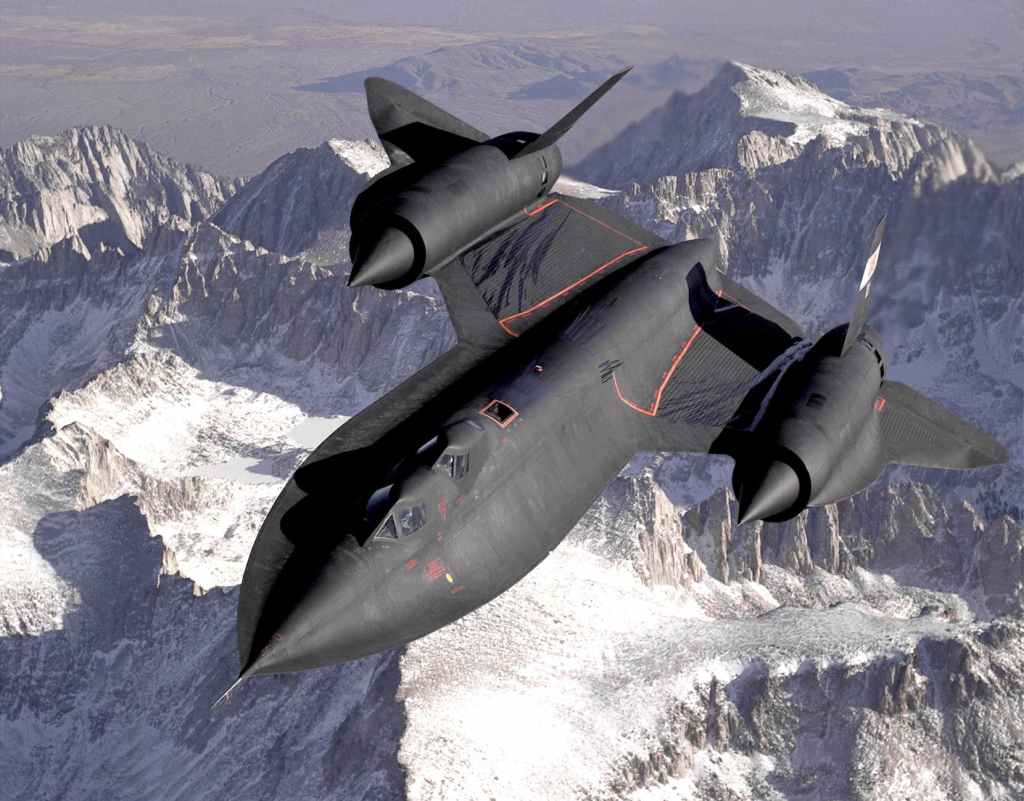
A Revolution Too Far? US Defence Innovation, Europe and NATO’s Military-Technological Gap
The United States is launching another defence innovation initiative to offset the growing military-technological might of countries such as China, Russia and Iran. However, by utilising emerging technologies from the commercial sector to achieve greater military power the US may further open up the technology gap within NATO. This raises…
-
Modernising NATO’s Defence Infrastructure with EU Funds
A quietly important element of NATO’s Readiness Action Plan (RAP), agreed at the 2014 Wales Summit, is the Alliance’s need ‘to reinforce its eastern Allies through preparation of national infrastructure, such as airfields and ports’. Put simply, without the necessary infrastructure, including transportation networks and hubs, and energy supply lines,…
-

Supporting European Security and Defence with Existing EU Measures and Procedures
Focusing on the support of non-CSDP policies for CSDP measures, both in the field of crisis management and defence, this study submits that CSDP cannot effectively contribute to EU external action by itself, but only in coherence with other EU policies and instruments. The study focuses on nine different issue…
-
The Common Security and Defence Policy: National Perspectives
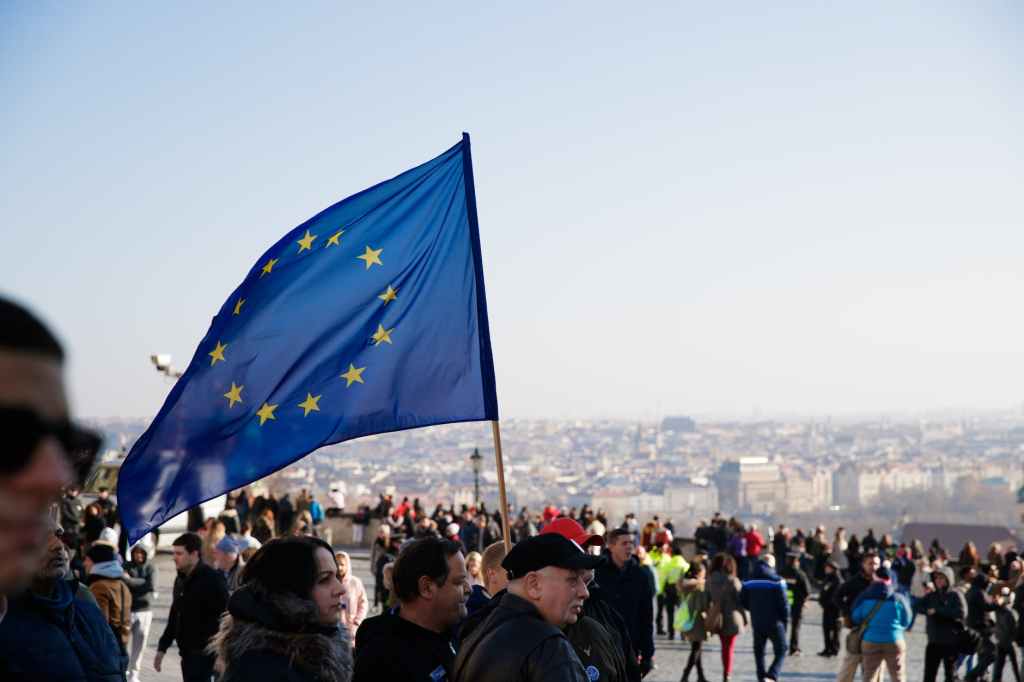
When one looks at the present state of the CSDP, “one cannot help but look on with disenchantment”, states Pierre Vimont in his foreword to this collective Egmont Paper, edited by Daniel Fiott. And yet: from the essays assembled here, one cannot but conclude that European defence is not only indispensable,…
-

The European Commission and the European Defence Agency: A Case of Rivalry?
This article analyzes relations between the European Commission and the European Defence Agency (EDA) as they relate to European defence-industrial co-operation. To undertake the analysis, the article departs from a strictly intergovernmental-supranational study of institutional relations by building upon the concept of ‘mandate overlap’. Additionally, the focus is on the…
-

Autonomy without Autarky: An EU ‘Roadmap’ for Security of Supply
The disruption of the defence supply chain and the inability to replace or reproduce equipment: a nightmarish prospect for any military planner. To allay such fears, states have, whenever possible, sought to lower dependence on third-country suppliers by favouring national industry. Yet complete autarky is impossible to achieve in today’s…
-
The Three Effects of Dual-Use: Firms, Capabilities and Governance
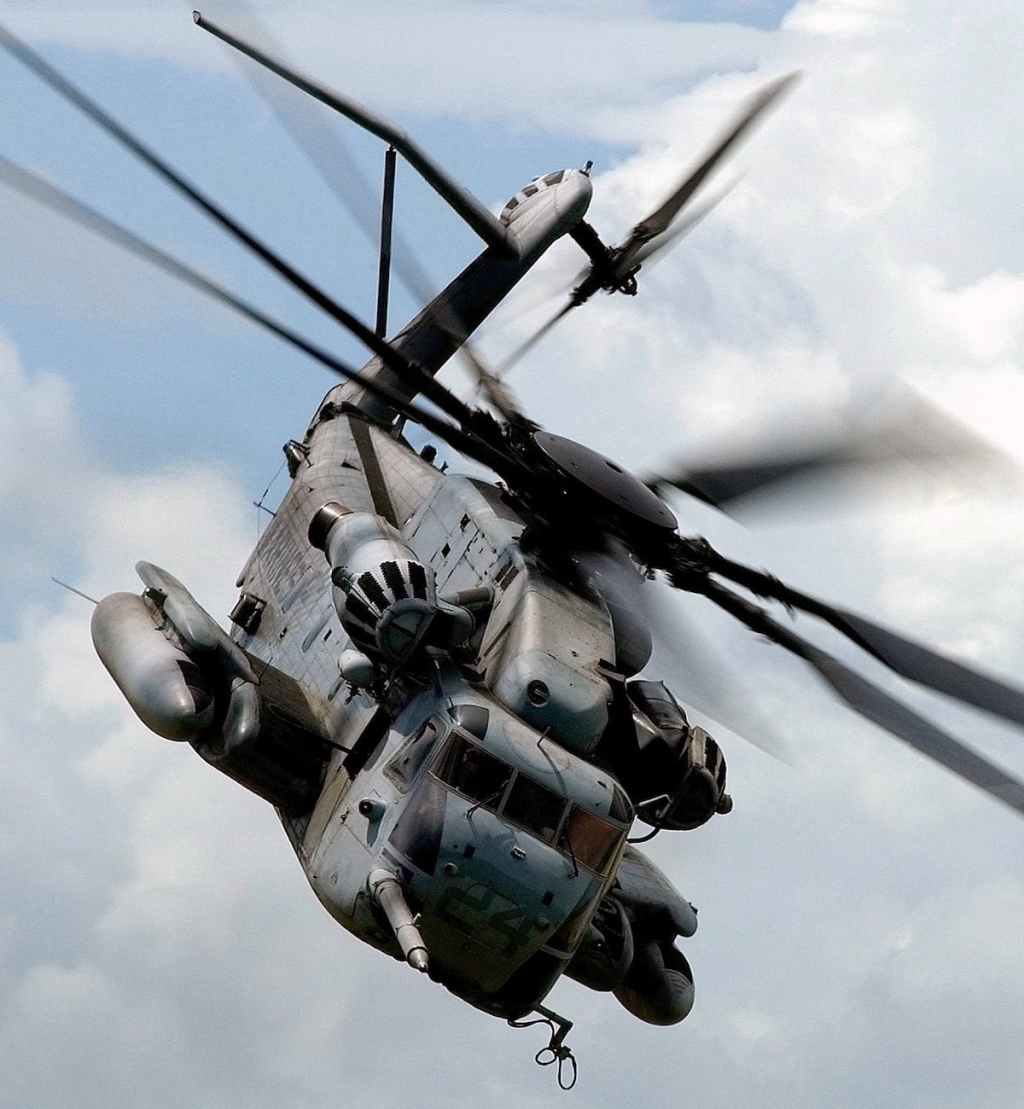
It is easy to overlook the fact that many of the products and technologies we use on a daily basis – and now take for granted – have their origins in the defence sector. GPS navigation units, the internet, touch screens, digital cameras, and even microwaves, were all, in one…
-
The European Investment Bank could help meet some of the challenges facing Europe’s struggling defence industry
European countries face significant challenges in funding defence research and development programmes. Among the most important are declining defence budgets, fierce international competition, and the increasingly expensive nature of high-end technologies. Daniel Fiott argues that the European Investment Bank could play a much greater role in Europe’s defence sector and serve as…
-
The Juncker Commission and Europe’s Defence
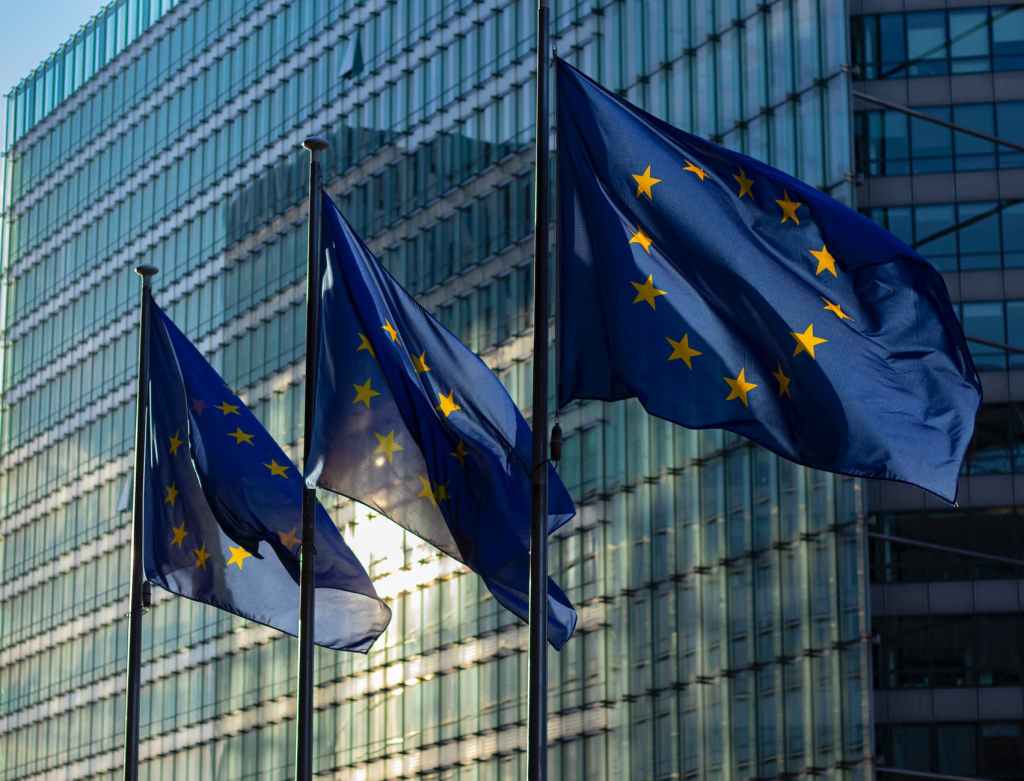
The decision by the incoming President of the European Commission, Jean-Claude Juncker, to merge the internal market and industry portfolios under one commissioner is an intelligent move. Of course, it is not the first time this has been attempted. Some may recall that Étienne Davignon was the Commissioner for Internal…
-

Defence R&D in Europe
Introduction Research and Technology (R&T) and Research and Development (R&D) are critical ele- ments in the production of defence capabilities: without scientific and engineering inge- nuity, technological advances in the defence sphere cannot be made. R&T is the critical beginning phase in the development of defence capabilities. It is in…
-
No TTIP-ing Point for European Defence?
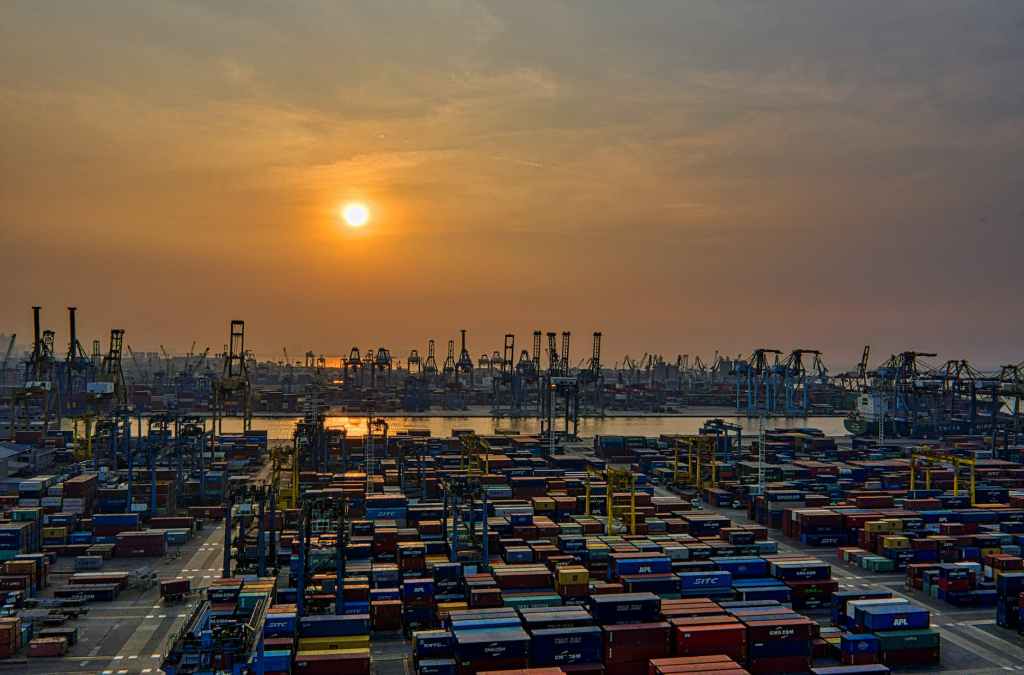
Abstract The EU-US Summit on 26 March will mark eight months since the partners decided to formally launch negotiations on a Transatlantic Trade and Investment Partnership (TTIP). The aim of the TTIP – if finalised – is to remove tariffs, align regulatory standards and open up government procurement. Born out…
-
An Industrious European Council on Defence?
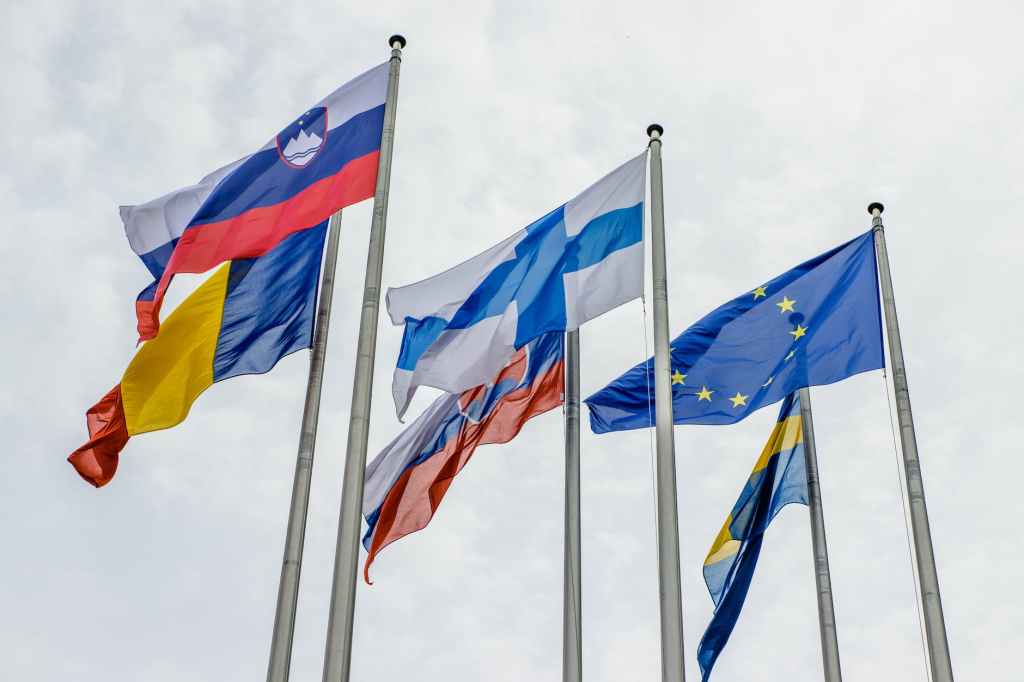
The December 2013 Council meeting set in motion a number of important “roadmaps” for defence-industrial policy in Europe. Now the member states, the European Defence Agency and European Commission need to be aware of the potential roadblocks ahead. Egmont Institute, 2014, No. 53 Read it here
-

The State of Defence in Europe: State of Emergency?
When a doctor calls for a thorough examination of the state of a patient’s health, he hopes that everything will turn out to be alright, but it really means that he fears there is a serious problem. Likewise, when Herman Van Rompuy called for the European Council of which he…
-

More Competitive, More Efficient? The 2013 European Commission Defence Communication
The European Commission has now released its 2013 Communication on defence-industrial policy. But does the latest set of policy ideas offer European defence-industrial cooperation any new impetus? This Brief argues that while the majority of the Commission’s initiatives are not new, some much needed ideas have made their way into…
-

Improving CSDP Planning and Capability Development: Could there be a ‘Frontex Formula’?
The newly agreed operational rules for Frontex allows the Agency to, among other things, buy or lease its own equipment for missions and/or to do so in co-ownership with the Member States and to request national seconded staff for its operations. The new rules are a major step forward in…
-

Safeguarding the EDTIB: the Case for Supervising non-EU FDI in the Defence Sector
It is time for the EU member states to start collectively supervising non-EU FDI in Europe’s defence industries and infrastructures. This should be a prudent element of the nascent EDTIB and a way to maintain European security by encouraging greater coordination between the national supervisory frameworks. Egmont Institute, 2012, No.…
-

How to Avoid the Three Pitfalls of European Strategy
European academics, think‐tankers and policy-makers make three consistent and critical errors when debating strategy: firstly, they do not clearly define what they mean by “strategy” – a problem that has long haunted the field of strategic studies; secondly, and as a result, they tend to speak of European strategic interests,…
-

The French White Paper on Defence and National Security: NATO, Nuclear Weapons and Space
The 17 June unveiling of the French White Paper on Defence and National Security2 comes at a period of evolution in French defence and security policy. Reformation of its armed forces, its ambitions to re-integrate into the North Atlantic Treaty Organisation’s (NATO) military command and its plans to enhance the…
 Daniel Fiott