-
Controlled Adaptation and Integration: Defence AI in Belgium

Defense AI Observatory
Belgium’s engagement with artificial intelligence (AI) in defence is best understood not as a dramatic technological leap, but as a series of pragmatic, institutionally embedded steps shaped by alliance politics, budgetary realism and an enduring preference for multinational solutions. Rather than positioning itself as an AI front-runner, Belgium has sought to integrate AI-enabled capabilities where they reinforce existing strengths: intelligence analysis, logistics, cyber defence, training and interoperability within NATO and the European Union (EU). This approach reflects a broader Belgian defence culture that favours the centrality of the NATO alliance, EU cooperation in defence and multinational cooperation.
-
Up in the Air: What Could FCAS Mean for Common EU Defence Projects?
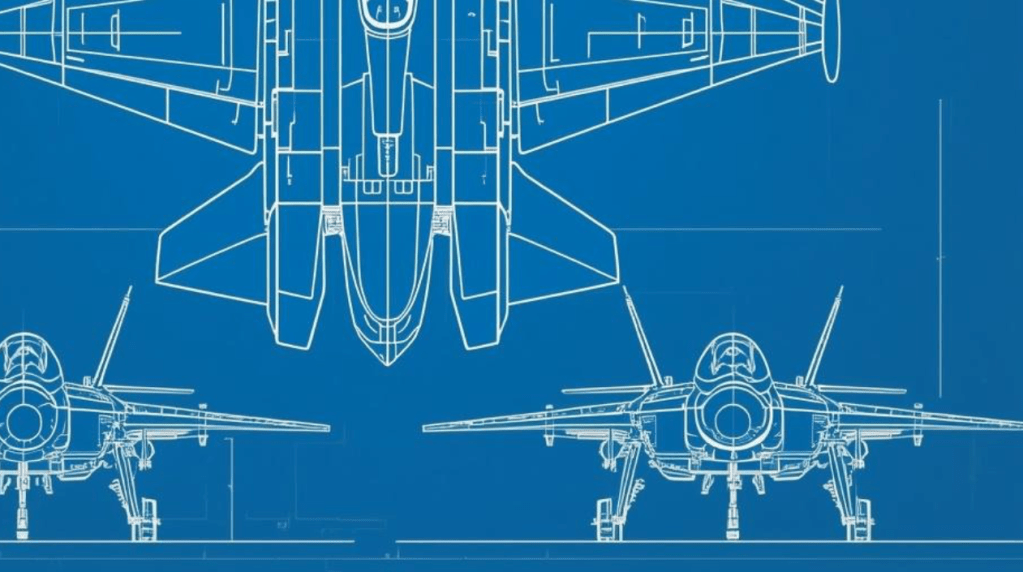
CSDS POLICY BRIEF • 6/2026
The FCAS project appears to be over, at least in its original incarnation, although technological elements of the project may be salvaged, such as the development of a combat cloud. The case of FCAS serves as a cautionary tale for how to develop collaborative defence industrial programmes in Europe, especially when these projects involve large defence firms and member states. The failure of FCAS should not hinder plans for joint EU defence industrial programmes, but lessons from the failure of FCAS must be integrated into project planning sooner rather than later.
-
Europe’s Rearmament Dilemmas
Current History, vol. 125 (2026)
Europe has entered a profound rearmament cycle driven by Russia’s war on Ukraine, sharpening US strategic conditionality, and intensifying global geopolitical rivalry. After decades of underinvestment, European states are attempting to rebuild depleted stockpiles, scale up industrial production, and reconcile defense investments with fiscal, political, and technological constraints. The European Union has emerged as an important actor, deploying novel financial instruments, regulatory reforms, and strategies to strengthen defense manufacturing and reduce external dependencies. Yet transatlantic frictions, divergent national priorities, and structural reliance on the United States and China complicate Europe’s quest for strategic autonomy. Rearmament now defines Europe’s economic, political, and security future.
-
Taking the Pulse: Can European Defense Survive the Death of FCAS?
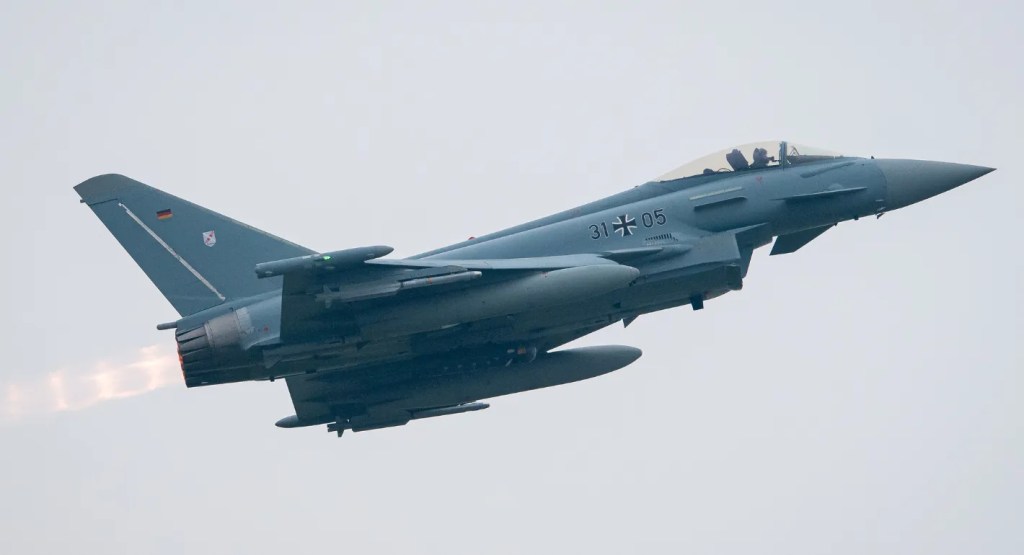
Europe’s next-generation fighter plane has not even taken off, and it looks as though it will be grounded indefinitely. The drama surrounding FCAS does not bode well for Franco-German defense industrial cooperation.
Germany has long sought to use the FCAS project to develop its own national aeronautics industry and skills base, which is why Dassault—among other reasons—has been reluctant to share technology so freely with partners.
The FCAS project reflects deep-seated divergent defense industrial interests, which are not easy to overcome. Could this cautionary case stand in the way of European joint capability projects? Perhaps. Yet, the key is to get the partner coalitions right and to iron out political expectations from the start.
Joint projects will likely go ahead at the EU level, but they may not always be centered on Franco-German cooperation. There is a need to study the FCAS project and to better understand why it has fallen apart, to ensure that mistakes are not repeated. If the failure of FCAS leads to greater dependencies on non-European weapons systems in the future, then this hardly bodes well for more European sovereignty in defense.
Image: Getty.
-
European Defence Projects of Common Interest: From Concept to Practice
European Parliament
The development of European Defence Projects of Common Interest (EDPCIs) represents a decisive step towards strengthening the EU’s crisis response, economic competitiveness and strategic autonomy. EDPCIs aim to overcome fragmented national defence efforts by promoting joint development, production and procurement of key military capabilities, enhancing the EU’s governance structure for defence investment. While earlier frameworks like the EDF, PESCO and CARD have achieved limited integration, EDPCIs could enable large-scale collaboration by pooling demand, streamlining supply chains and reinforcing the European Defence Technological and Industrial Base. Proposed flagship projects such as the Drone Initiative, Eastern Flank Watch, Air Shield, and Space Shield address urgent needs but face challenges of funding, technology gaps and diverging national planning cycles. Other potential EDPCIs, such as a Cyber Defence Shield, a Combat Cloud, Military Mobility Network or EU Command and Control could expand into critical enabler domains but also depend on balancing EU-level regulation and intergovernmental ownership and ensuring sustained financial and political backing. This study recommends a coherent governance framework, harmonised standards and inclusive industrial participation to sustain innovation. Ultimately, success will hinge on EDPCIs’ capacity to deliver credible capabilities and advance Europe’s goal of a resilient, autonomous and integrated defence posture.
-
Which Type of Armament Cooperation Do We Want/Need? The Case of Spain

ARES Group (with Félix Arteaga)
This paper is the second of the ARES series titled “Which type of armament cooperation do we want/need?”. The purpose of this series is to explore how EU Member States envision the future of armaments cooperation, taking in account the objective to develop joint procurement as promoted in the European Defence Industrial Strategy (EDIS) and the newly adopted European Defence Industrial Programme as well as in the Security Action for Europe (SAFE) initiative. This comment, written by Daniel Fiott and Félix Arteaga from the Real Instituto Elcano, focuses on the Spanish case. A first paper has already been released on Poland’s approach and subsequent papers will examine the approaches of other Member States, including France, Italy, Germany, the Netherlands, Sweden, the United Kingdom, and Lithuania.
-
Assessing Europe’s Resilience and Preparedness in an Era of Strategic Risks
The Hague Centre for Strategic Studies and CSDS
By Hans Horan, Pieter-Jan Vandoren, Daniel Fiott and Jan Feldhusen with contributions by Davis Ellison and Frank Bekkers
Europe’s security environment is increasingly shaped by “whole-of-society” shocks in which military threats intersect with climatic, economic and technological disruptions. This new reality demands that preparedness and resilience be treated as mutually reinforcing strategic imperatives for both the EU and NATO. Yet Europe’s baseline levels of resilience remain highly uneven.
This new report, co-authored with the Centre for Security, Diplomacy and Strategy (CSDS), evaluates ten EU and NATO member states — Belgium, Finland, France, Germany, Italy, the Netherlands, Poland, Romania, Spain and Sweden — through the seven domains of the EU’s Preparedness Union Strategy. The study finds that resilience is often situational rather than systemic: countries tend to strengthen domains recently stress-tested while leaving others exposed. The absence of minimum foresight and anticipation requirements leads to widely varying national approaches and persistent structural gaps.
A core finding is that civil–military cooperation is the decisive connector between preparedness ambitions and operational delivery. Where institutionalised, it acts as a force multiplier; where ad hoc, it becomes a bottleneck during crises. These dynamics are illustrated through the report’s focus on military mobility, which depends heavily on the resilience of civilian energy, transport and digital systems.
The report highlights key vulnerabilities — fuel and distribution constraints, transport chokepoints, rail-gauge discontinuities, and exposure in 5G and undersea cable networks. These weaknesses accumulate into collective exposure across the EU and NATO, as the weakest links can impede deterrence, crisis response, and the deployment of forces.
To strengthen Europe’s strategic resilience architecture, the report offers clear policy recommendations in three categories:
EU–NATO-wide:
- Powering the military: Establish an EU–NATO Fuel Assurance Compact, create EU-wide fuel storage redundancy, and develop joint supply-chain due diligence for energy systems.
- Transporting the military: Greatly expand EU funding for dual-use infrastructure, coordinate rail-gauge transitions, and integrate lessons learned from Finland and Spain.
- Digitisation: Form an undersea cable intelligence task force and unify EU–NATO due diligence for 5G and other dual-use technologies.
Netherlands-specific:
- Powering: Position the Netherlands as a leader in green-defence resilience.
- Transporting: Build redundancy around the Port of Rotterdam, expand alternatives, secure civilian carrier partnerships, and institutionalise joint civil-military exercises.
- Digitisation: Expand Dutch critical-infrastructure protection programmes to include EU and NATO partners.
Ultimately, the report concludes that resilience is not a secondary concern but a core strategic capability fundamental to deterrence, crisis response and democratic stability.
-
More Money, More Dependence? Financing EU Defence for Autonomy and Cooperation
Foundation for European Progressive Studies
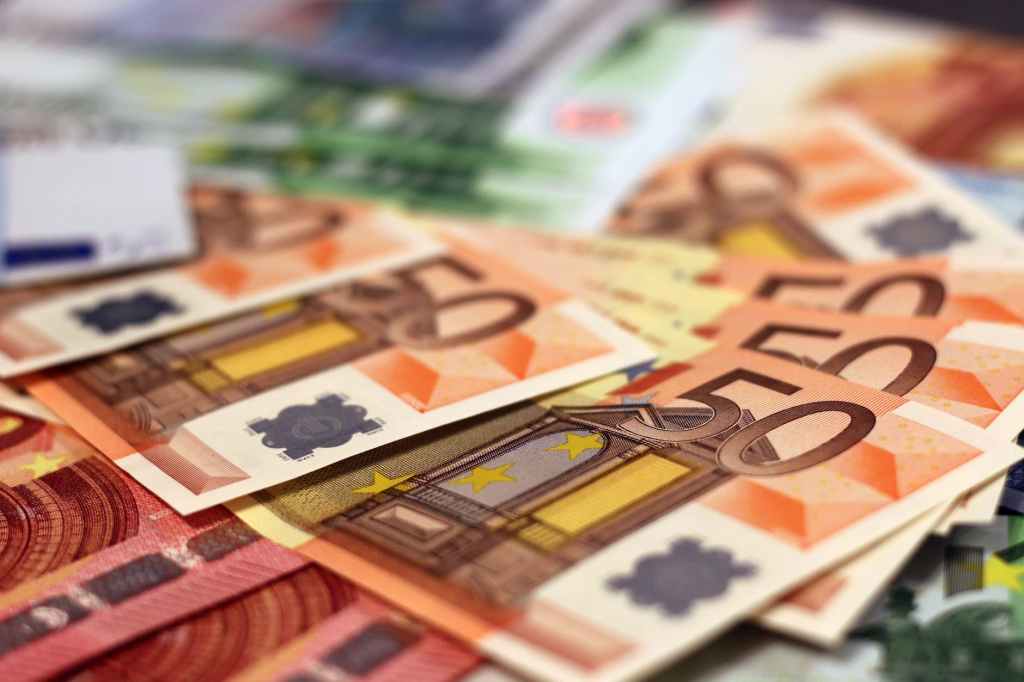
Europe is entering an era of unprecedented defence investment, with EU institutions and member states projected to spend nearly €6.8 trillion on defence by 2035. This surge comes amid a deteriorating security environment shaped by Russia’s war on Ukraine, growing transatlantic uncertainty and intensifying dependencies on non-EU defence suppliers – particularly the United States.
Against this backdrop, the EU has developed an expanding suite of financial instruments, including the European Defence Fund (EDF), the European Defence Industrial Programme (EDIP) and the Security Action for Europe loan facility (SAFE), to strengthen the European Defence Technological and Industrial Base (EDTIB) and incentivise cross-border defence cooperation.
This FEPS policy brief by Daniel Fiott (VUB) therefore assesses whether these mechanisms effectively support the EU’s strategic autonomy ambitions and evaluates how Europe’s financial architecture can better channel rising defence expenditure into cooperative, long-term capability development. The analysis finds that the EU has made significant progress, yet challenges remain. Despite the scale of new investments, the risk of renewed renationalisation persists as member states increasingly procure off-the-shelf non-EU systems and utilise fiscal exemptions to support national industries. Moreover, governance fragmentation at the EU level threatens to limit the effectiveness of emerging joint procurement tools. The success of the new EDIP, particularly with flagship European Defence Projects of Common Interest, will depend on substantial post-2027 funding and much tighter links between EU financing and binding commitments to joint capability development.
The brief concludes that to avoid financial integration becoming a vehicle for managed national competition, the EU must strengthen conditionality on cooperative procurement, prioritise EDPCIs within a significantly enlarged EDIP, improve oversight of SGP defence exemptions and develop a more coherent governance model that aligns the Union’s diverse financing instruments with its long-term strategic autonomy goals.
This policy brief was launched at Call to Europe Denmark, alongside the publications ReArm Europe and Smarter spending today, safer societies tomorrow.
-
Beyond the Summit: Navigating the Future of NATO and European Defence
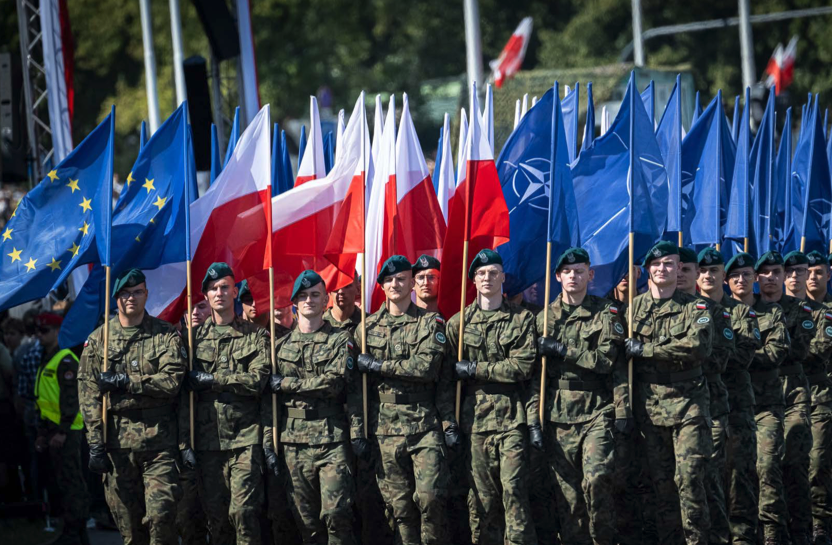
The Hague NATO Summit on 25 June 2025 will possibly go down in history as the moment when Europeans were put on serious notice by the United States that Washington was no longer going to subsidise European security. As a long-standing objective of the Trump administration, European allies were cajoled into accepting increased defence spending levels as a way of rebalancing burden-sharing within the alliance. At the NATO Wales Summit over a decade ago, allies pledged to spend up to 2% of GDP on defence, but, in the Hague, they increased this objective to 5% of GDP. While only a couple of NATO allies publicly rallied against this new 5% target, most would have agreed to the objective, knowing full well that meeting it will be a struggle economically, especially given Europe’s current economic climate. So, if President Trump’s desire for a 5% target was achieved, European allies are now faced with the task of spending more on defence. This, of course, raises serious questions about where the additional capital will come from and how best to spend it, especially given Europe’s continued military gaps.
EU Military Forum
-
Decarbonising Defence: Reconciling the Green Agenda with the Reindustrialisation of Europe’s Defence Sector

This commentary explores the intersection between Europe’s reindustrialisation of its defence sector and the European Union’s (EU) decarbonisation agenda. Russia’s invasion of Ukraine has accelerated efforts to strengthen Europe’s defence technological and industrial base (EDTIB), yet this rearmament drive occurs alongside legally binding climate neutrality targets. The commentary examines whether these objectives are in tension or can be reconciled through innovation, regulatory adaptation and industrial transformation. It analyses evolving EU policies – such as the European Green Deal, the European Defence Industrial Strategy and the Draghi Report – highlighting emerging synergies between competitiveness and sustainability. By assessing the roles of the European Defence Fund, the European Defence Agency and NATO, the commentary identifies pathways for integrating energy efficiency, renewable energy, and circular economy principles into defence production. Ultimately, it argues that aligning defence revitalisation with the green transition is central to ensuring Europe’s long-term strategic autonomy, resilience and technological leadership.
ARES Group
-
Subscribe
Subscribed
Already have a WordPress.com account? Log in now.
 Daniel Fiott