-
After the EU Global Strategy: Connecting the Dots
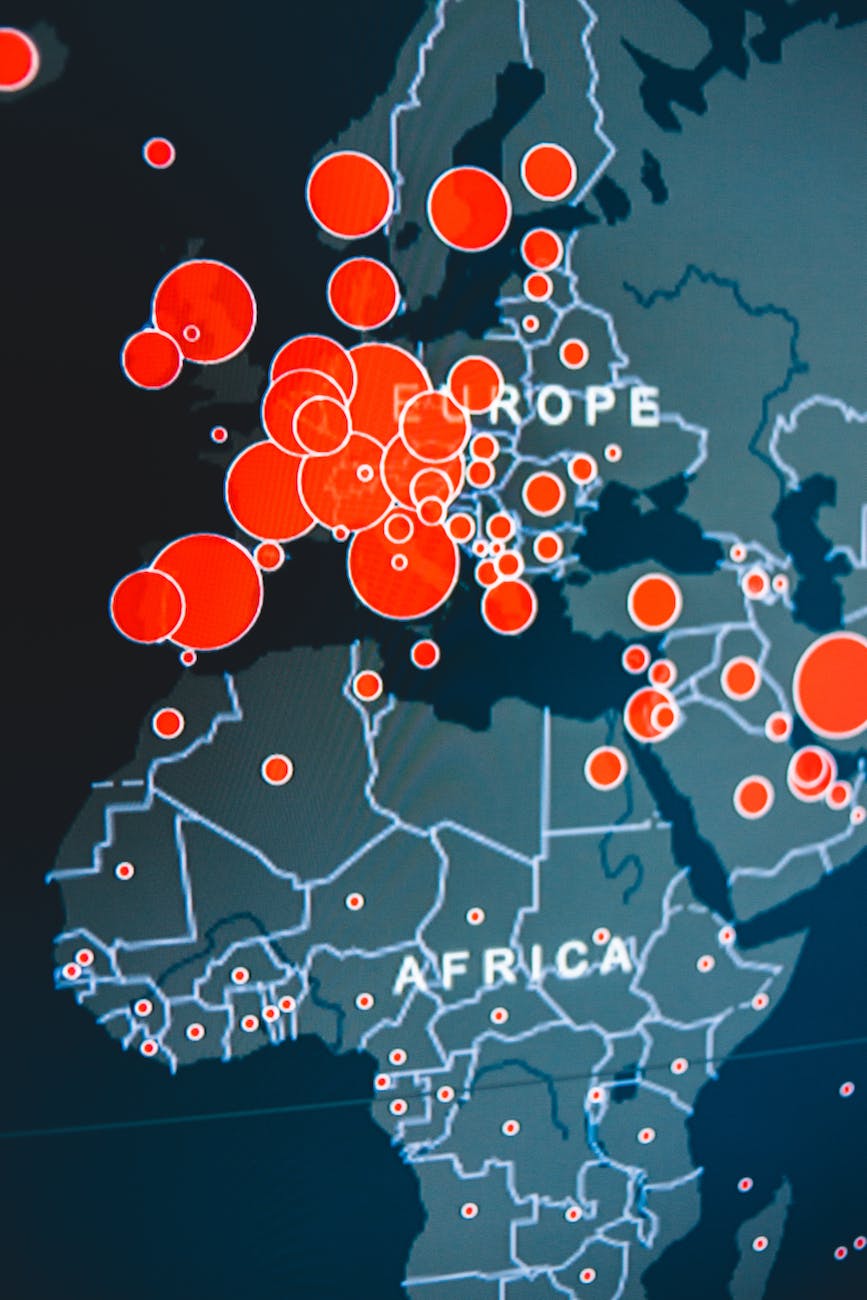
The EU Global Strategy on Foreign and Security Policy (EUGS) is quite candid about the challenges facing European defence and it understandably calls for defence cooperation to become the norm rather than the exception. The new strategy provides Europe with a realistic analysis of the present challenges and it lays…
-
The European Union
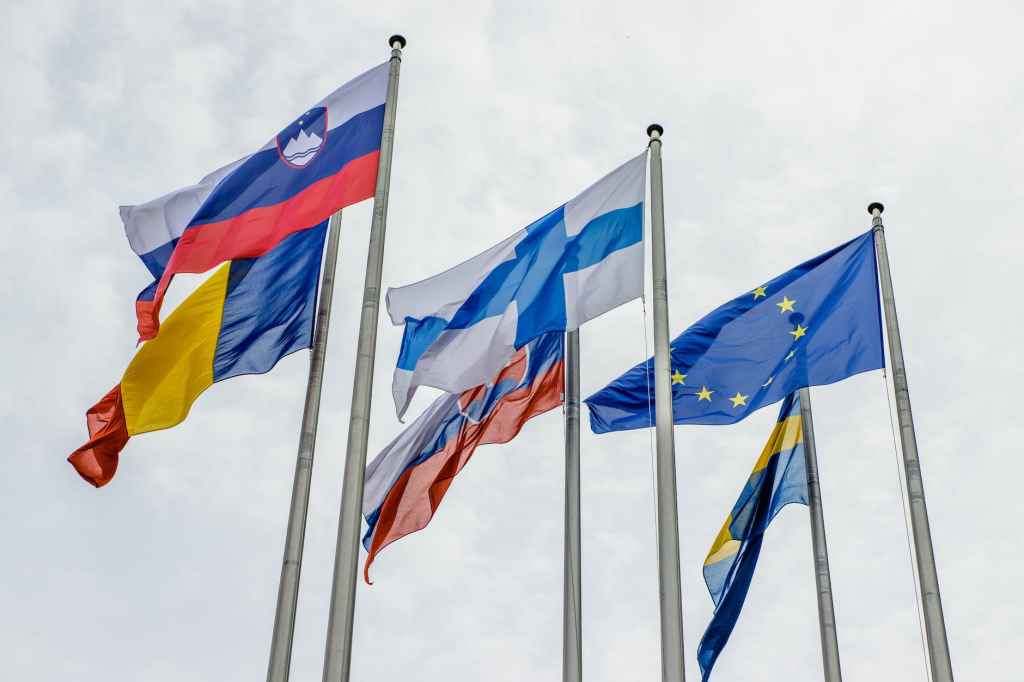
Covering the main political organs of the UN, important regional and security organizations, international judicial institutions and the regional human rights protection systems, An Institutional Approach to the Responsibility to Protect examines the roles and responsibilities of the international community regarding the responsibility to protect. It also proposes improvements to…
-
A Revolution Too Far? US Defence Innovation, Europe and NATO’s Military-Technological Gap
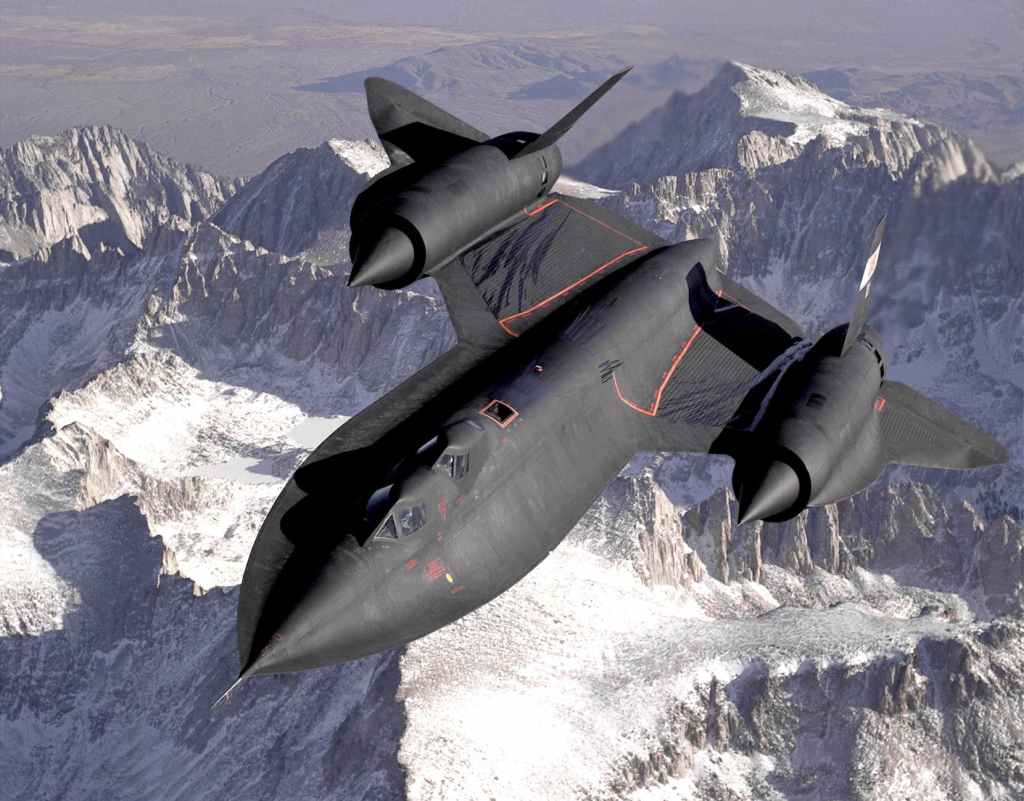
The United States is launching another defence innovation initiative to offset the growing military-technological might of countries such as China, Russia and Iran. However, by utilising emerging technologies from the commercial sector to achieve greater military power the US may further open up the technology gap within NATO. This raises…
-

A ‘Game Changer’? The Preparatory Action on Defence Research
The Preparatory Action for Common Security and Defence Policy‐related research is currently under preparation, and it will serve as a test‐bed to prove the relevance of defence‐related research at the European Union‐level. The Preparatory Action could potentially see between €75 ‐ €100 million invested in defence‐specific research over a three‐year…
-
Modernising NATO’s Defence Infrastructure with EU Funds
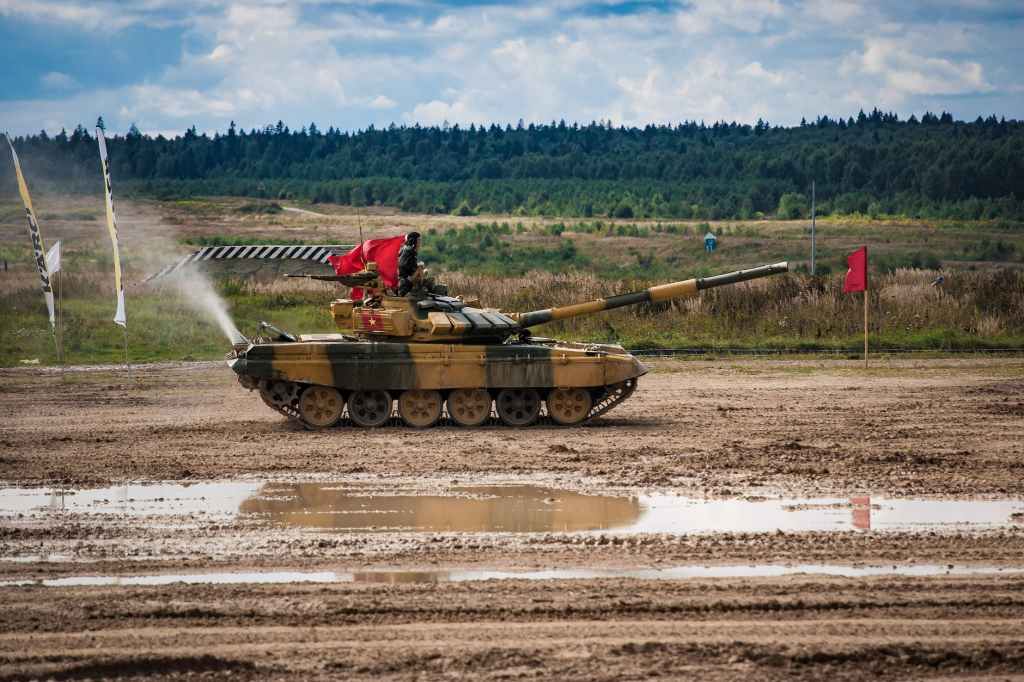
A quietly important element of NATO’s Readiness Action Plan (RAP), agreed at the 2014 Wales Summit, is the Alliance’s need ‘to reinforce its eastern Allies through preparation of national infrastructure, such as airfields and ports’. Put simply, without the necessary infrastructure, including transportation networks and hubs, and energy supply lines,…
-

Europe and the Pentagon’s Third Offset Strategy
Faced with the prospect of its adversaries mitigating its long-held superiority in sophisticated weapons systems, the US announced in 2014 that it was about to embark on a ‘third offset strategy’ in order to maintain its military-technology edge. In its quest to harness new technologies and operational concepts however, the…
-
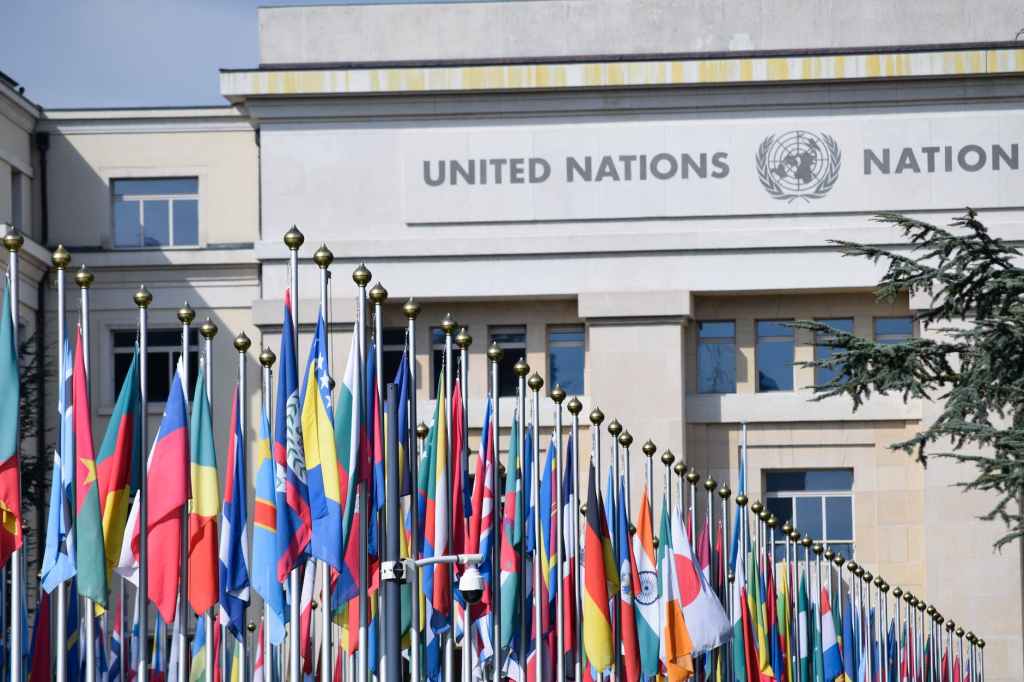
The Responsibility to Protect and the Third Pillar: Legitimacy and Operationalization
As the RtoP moves from norm to operationalization, greater analysis of action to halt crimes against humanity, war crimes, genocide and ethnic cleansing is needed. This uncovers opportunities and challenges associated with third pillar interventions by looking at legal, economic, political, military and alternative interventions in third-countries. Palgrave, 2015 Buy…
-

Europe’s Strategy Strained as Libya Veers Toward Civil War
Without a lasting deal on a national unity government, militias rallying around the rival factions vying for control of Libya could eventually spark a civil war. The Tobruk-based House of Representatives (HoR) and Tripoli-based General National Congress (GNC) continue to reject a United Nations-brokered, European Union-backed proposal. Any subsequent conflict…
-

Supporting European Security and Defence with Existing EU Measures and Procedures
Focusing on the support of non-CSDP policies for CSDP measures, both in the field of crisis management and defence, this study submits that CSDP cannot effectively contribute to EU external action by itself, but only in coherence with other EU policies and instruments. The study focuses on nine different issue…
-

European Defence-Industrial Cooperation: From Keynes to Clausewitz
The European Union is still far from having a consolidated defence market but the European Defence Technological and Industrial Base (EDTIB) has emerged as a policy framework through which to liberalize and regulate defence markets, protect and sustain jobs and to improve the interoperability of Europe’s armed forces; all at…
-
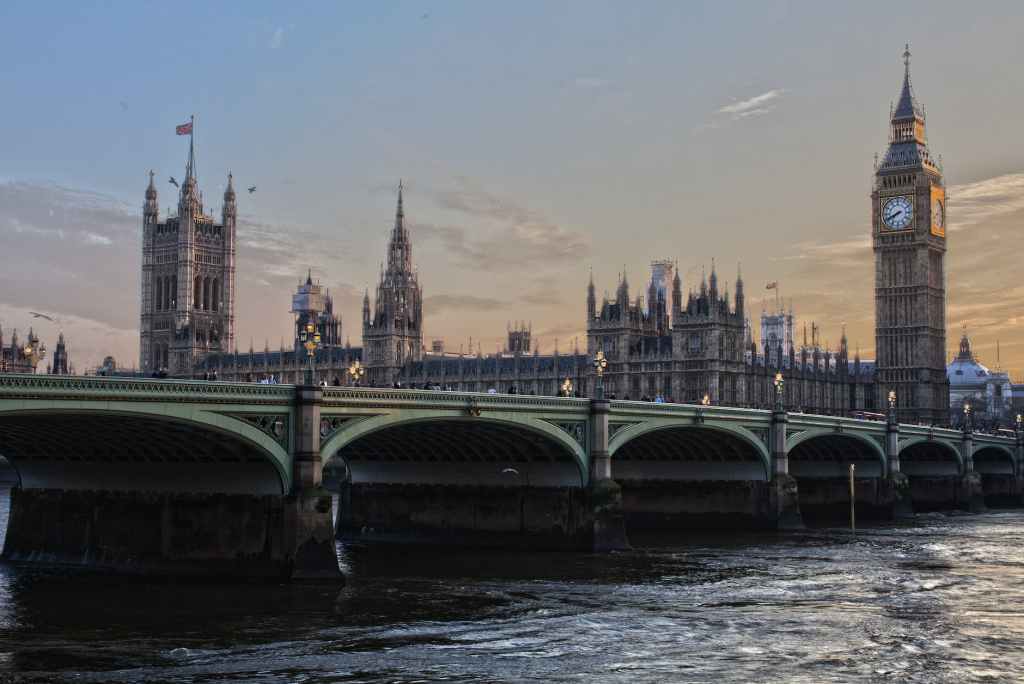
‘Our Man in Brussels’. The UK and the EEAS: Ambivalence and Influence
Based on extensive empirical work by a cross-European group of researchers, this book assesses the impact of the creation of the European External Action Service (EEAS) on the national foreign policy-making processes and institutions of the EU member states. As such, the contributions cover both the involvement of the national…
-
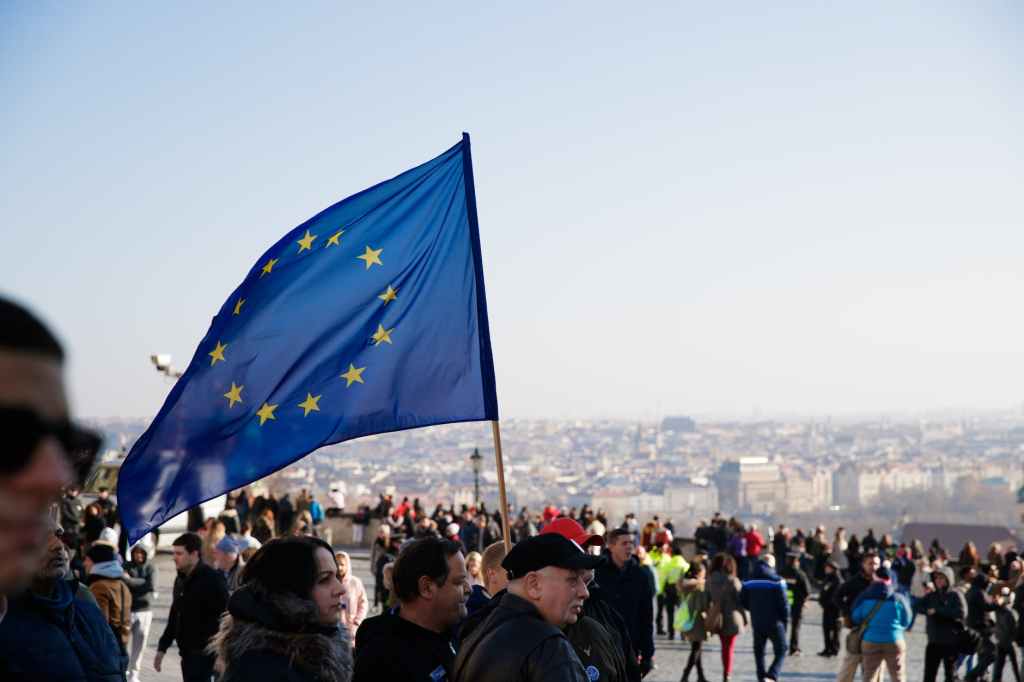
The Common Security and Defence Policy: National Perspectives
When one looks at the present state of the CSDP, “one cannot help but look on with disenchantment”, states Pierre Vimont in his foreword to this collective Egmont Paper, edited by Daniel Fiott. And yet: from the essays assembled here, one cannot but conclude that European defence is not only indispensable,…
-
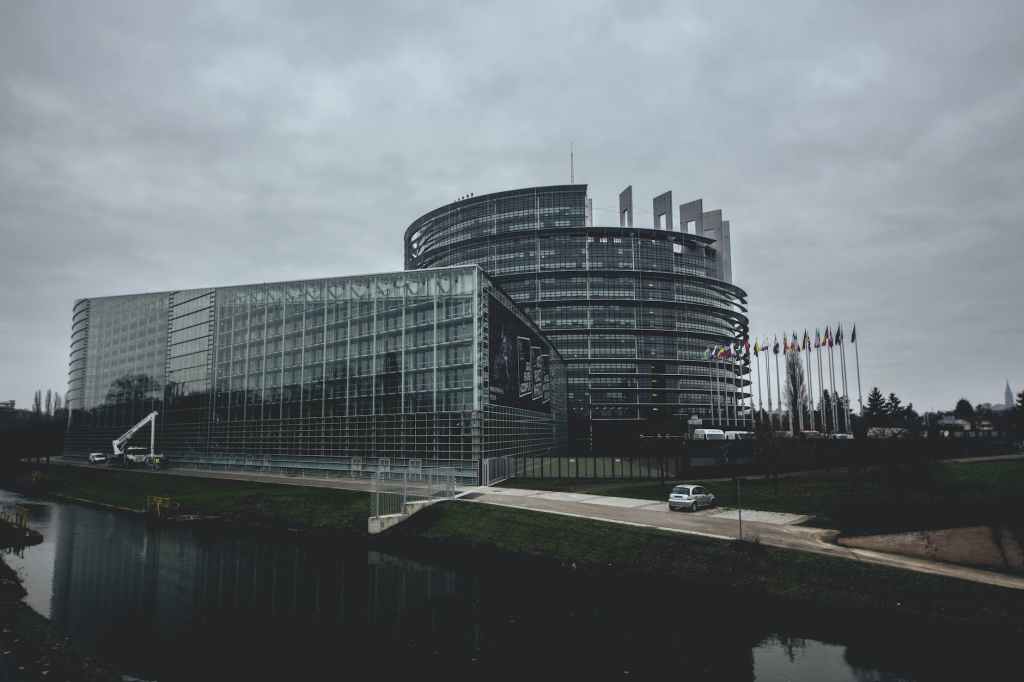
The Diplomatic Role of the European Parliament’s Parliamentary Groups
The political groups of the European Parliament (EP) play a diplomatic role in terms of the EP’s legislative powers, their rhetorical role in European Union (EU) foreign policy, and through direct diplomatic action in third countries. It is therefore surprising to observe that the parliamentary diplomacy of the political groups…
-

The European Commission and the European Defence Agency: A Case of Rivalry?
This article analyzes relations between the European Commission and the European Defence Agency (EDA) as they relate to European defence-industrial co-operation. To undertake the analysis, the article departs from a strictly intergovernmental-supranational study of institutional relations by building upon the concept of ‘mandate overlap’. Additionally, the focus is on the…
-

Autonomy without Autarky: An EU ‘Roadmap’ for Security of Supply
The disruption of the defence supply chain and the inability to replace or reproduce equipment: a nightmarish prospect for any military planner. To allay such fears, states have, whenever possible, sought to lower dependence on third-country suppliers by favouring national industry. Yet complete autarky is impossible to achieve in today’s…
-
Kissinger on World Order
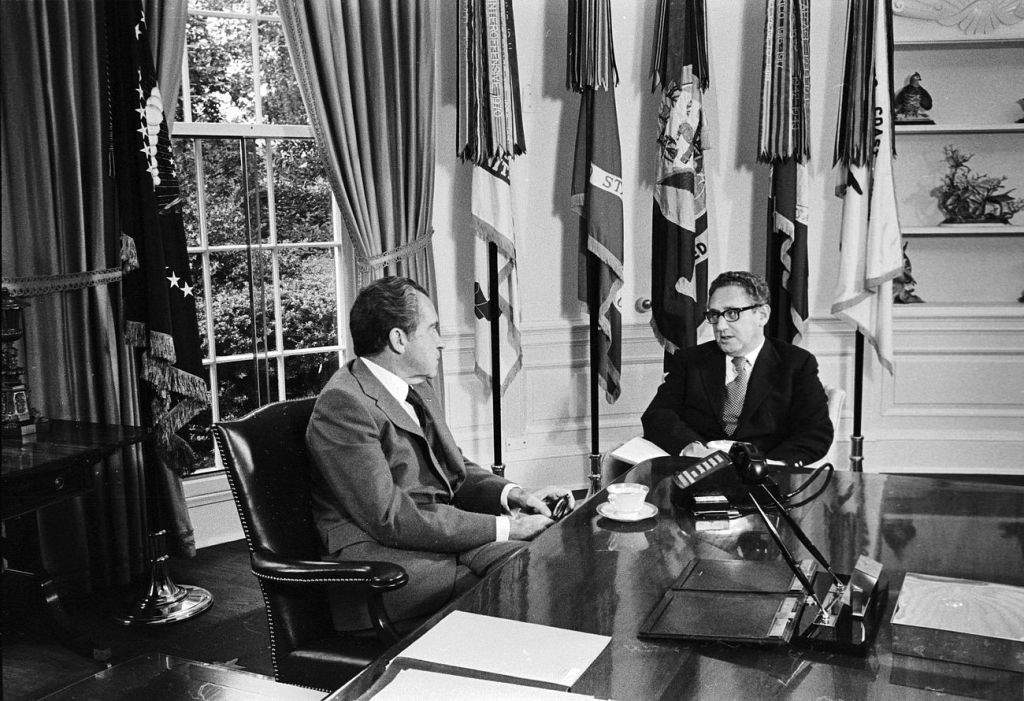
Kissinger’s first book was essentially a study of the corrupting effect of revolution on world – or, more specifically, European – order. Kissinger’s (thinly masked) parallel between Napoleon and Hitler made the point that revolutionary powers – defined as those states that seek to overturn the established global order –…
-
The Three Effects of Dual-Use: Firms, Capabilities and Governance
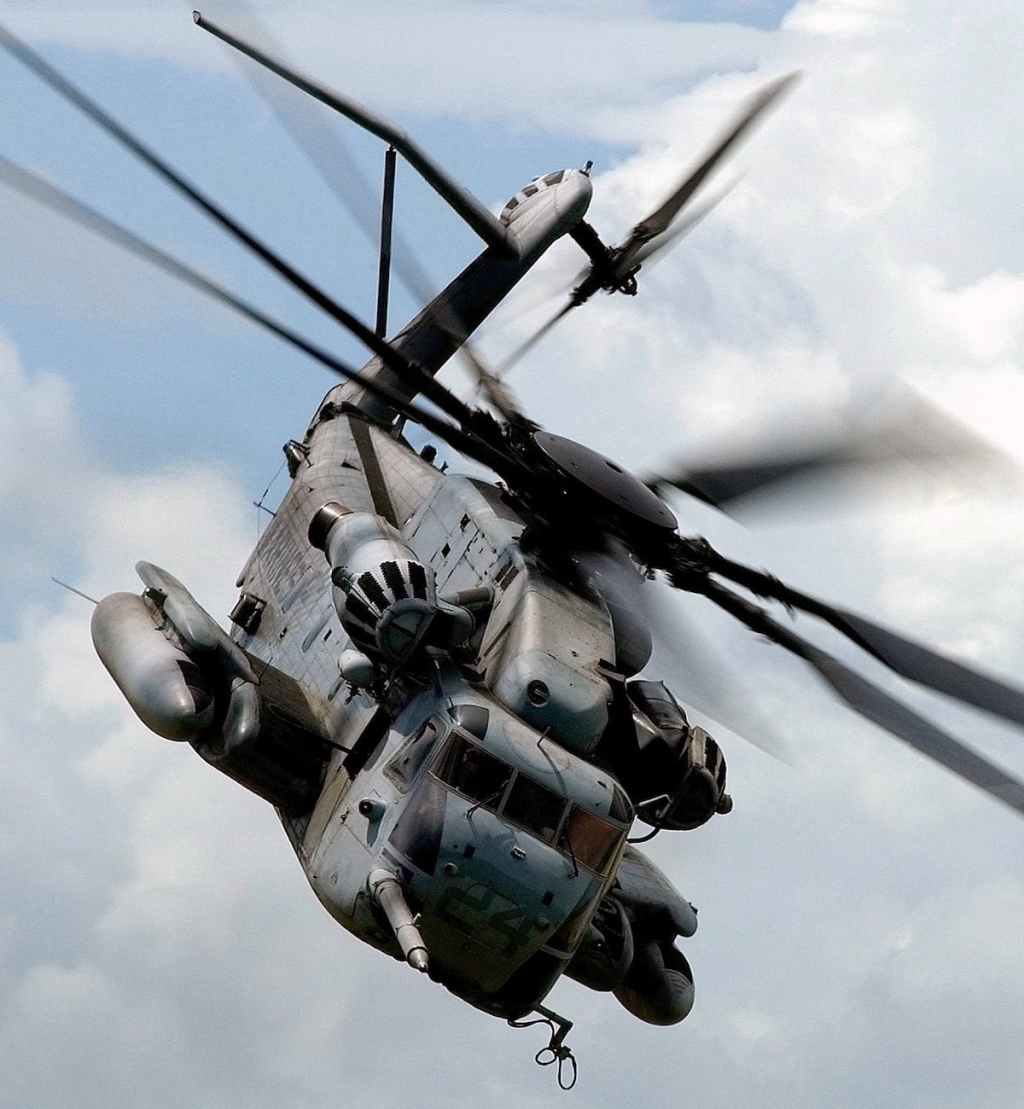
It is easy to overlook the fact that many of the products and technologies we use on a daily basis – and now take for granted – have their origins in the defence sector. GPS navigation units, the internet, touch screens, digital cameras, and even microwaves, were all, in one…
-
The European Investment Bank could help meet some of the challenges facing Europe’s struggling defence industry
European countries face significant challenges in funding defence research and development programmes. Among the most important are declining defence budgets, fierce international competition, and the increasingly expensive nature of high-end technologies. Daniel Fiott argues that the European Investment Bank could play a much greater role in Europe’s defence sector and serve as…
-

Relations with the Rest of the World: From Chaos to Consolidation?
Our 2012 review painted a picture of an EU pulled between a seemingly inexorable series of internal crises, on the one hand, and myriad external demands, on the other (Hadfield and Fiott, 2013). The year 2013 largely continued the theme of balancing slow-paced internal consolidation with increasingly demanding diplomatic requirements…
-

Europe after the U.S. Pivot
Insofar as Europe’s security and cohesion have for decades been premised upon a strong American political and strategic engagement, Washington’s intention to “rebalance” to Asia casts a shadow over the sustainability of a stable and coherent geopolitical order on the continent. This article argues that as the United States seeks…
-
The Juncker Commission and Europe’s Defence
The decision by the incoming President of the European Commission, Jean-Claude Juncker, to merge the internal market and industry portfolios under one commissioner is an intelligent move. Of course, it is not the first time this has been attempted. Some may recall that Étienne Davignon was the Commissioner for Internal…
-

Defence R&D in Europe
Introduction Research and Technology (R&T) and Research and Development (R&D) are critical ele- ments in the production of defence capabilities: without scientific and engineering inge- nuity, technological advances in the defence sphere cannot be made. R&T is the critical beginning phase in the development of defence capabilities. It is in…
-

One Size to Fit All? Setting Standards for European Defence
Abstract While the crisis in Ukraine may contribute to a revision of defence expenditures in a number of European countries, the task of finding the right balance between cost-effective and strategically-relevant defence spending in Europe is still critical. As defence expenditure generally remains in decline across Europe, a range of…
-
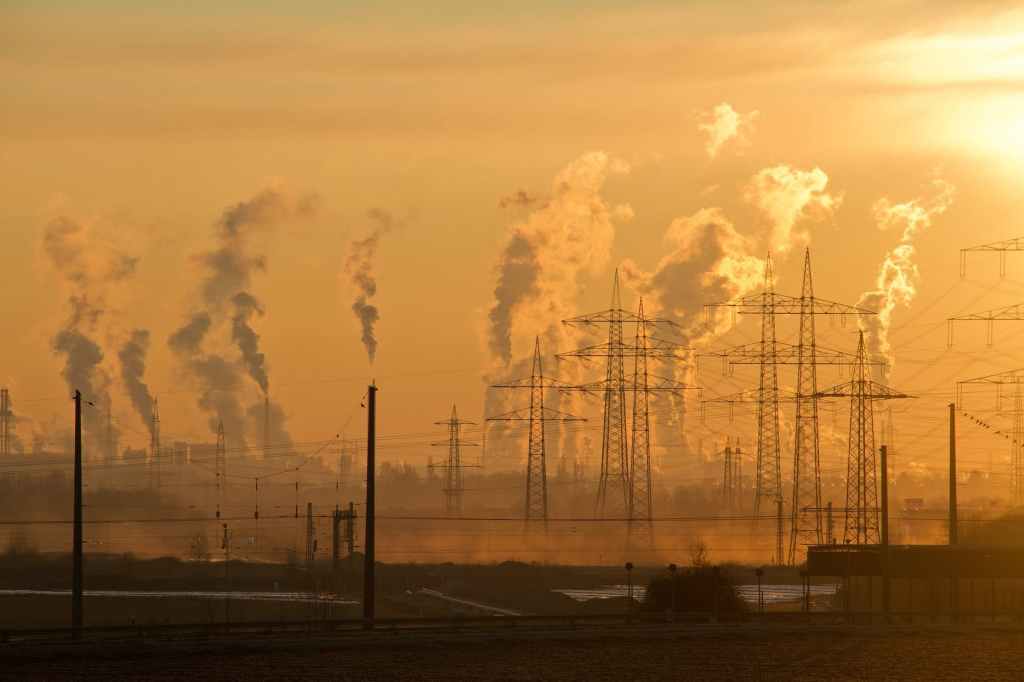
Reducing the Environmental Bootprint? Competition and Regulation in the Greening of Europe’s Defense Sector
As part of the European Union’s (EU) renewable energy and climate targets and its drive for sustainability, energy efficiency, and environmental protection, various elements of the defense sector in Europe are undertaking their own green initiatives. This is particularly important as the defense sector is one of the biggest public…
-
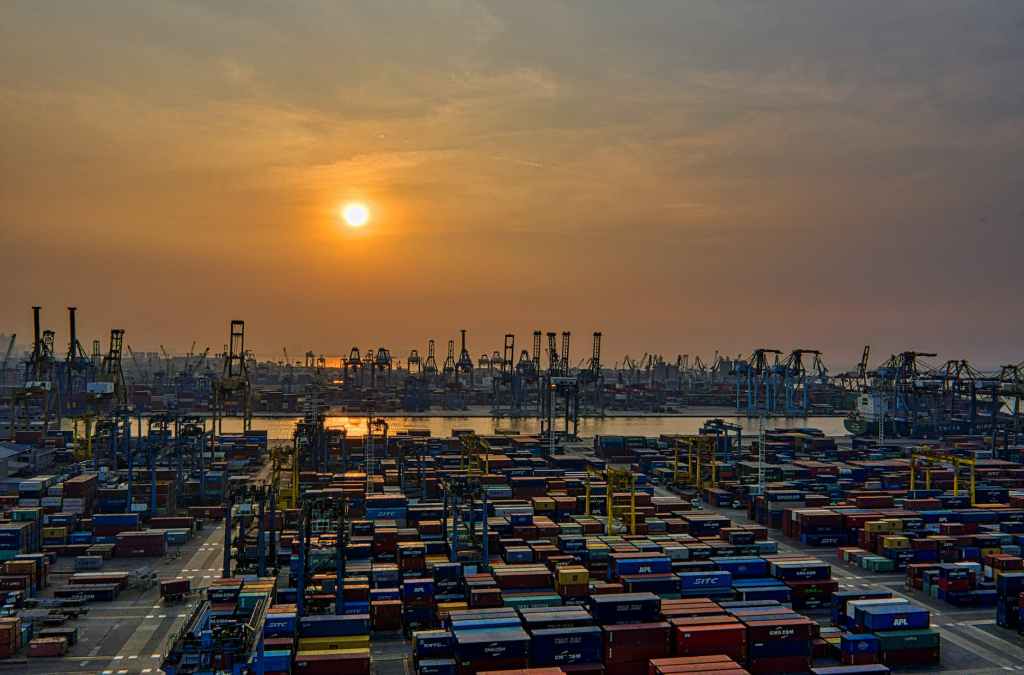
No TTIP-ing Point for European Defence?
Abstract The EU-US Summit on 26 March will mark eight months since the partners decided to formally launch negotiations on a Transatlantic Trade and Investment Partnership (TTIP). The aim of the TTIP – if finalised – is to remove tariffs, align regulatory standards and open up government procurement. Born out…
-
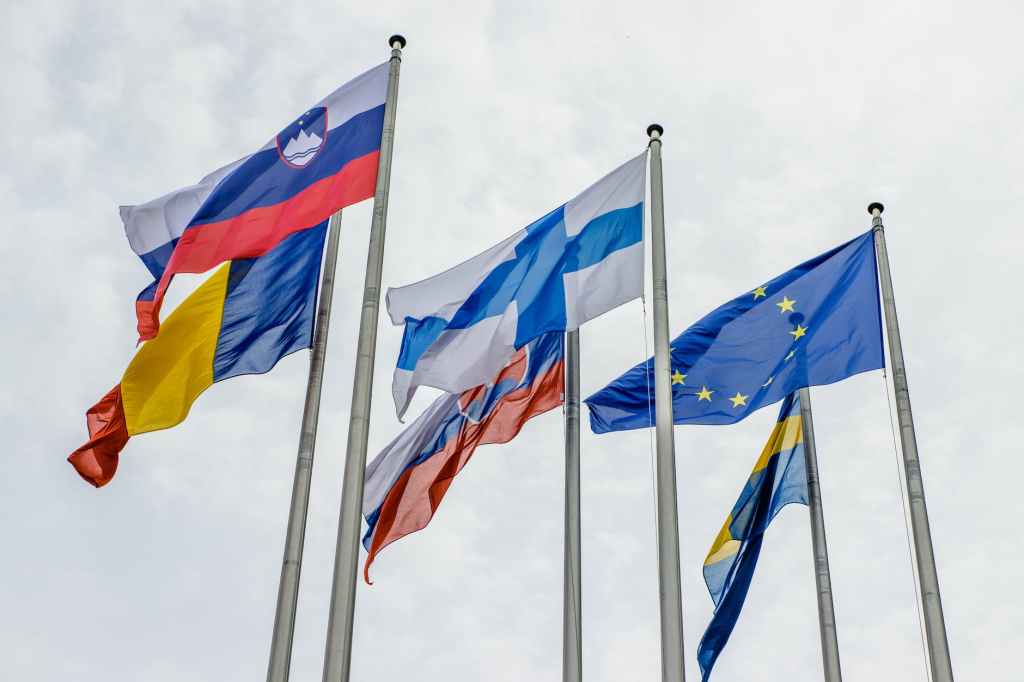
An Industrious European Council on Defence?
The December 2013 Council meeting set in motion a number of important “roadmaps” for defence-industrial policy in Europe. Now the member states, the European Defence Agency and European Commission need to be aware of the potential roadblocks ahead. Egmont Institute, 2014, No. 53 Read it here
-

The State of Defence in Europe: State of Emergency?
When a doctor calls for a thorough examination of the state of a patient’s health, he hopes that everything will turn out to be alright, but it really means that he fears there is a serious problem. Likewise, when Herman Van Rompuy called for the European Council of which he…
-
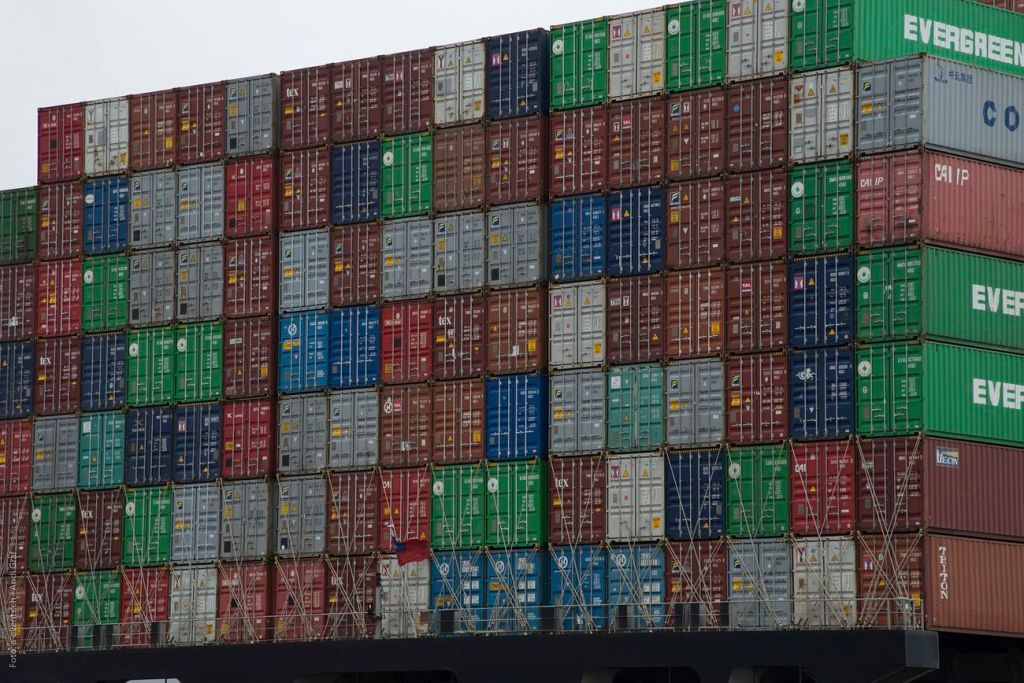
The ‘TTIP-ing Point’: How the Transatlantic Trade and Investment Partnership Could Impact European Defence
The European Union and the United States are on the verge of agreeing to a transatlantic free trade agreement. The proposed Transatlantic Trade and Investment Partnership is aimed at boosting EU and US economic growth, but the negotiating partners have not excluded the defence sector from negotiations. Europe is at…
-
More Competitive, More Efficient? The 2013 European Commission Defence Communication
The European Commission has now released its 2013 Communication on defence-industrial policy. But does the latest set of policy ideas offer European defence-industrial cooperation any new impetus? This Brief argues that while the majority of the Commission’s initiatives are not new, some much needed ideas have made their way into…
-
Realist Thought and Humanitarian Intervention
This article seeks to test the assumption that realism is completely hostile to the ethical and political notions of humanitarian intervention. The popular understanding of realism states that the national interest and international order will always trump the moral impulse to assist those suffering gross human-rights abuses at the hands…
-
Subscribe
Subscribed
Already have a WordPress.com account? Log in now.
 Daniel Fiott