Tag: Defence
-

Virtual Congo: Or the Limits of Technological Superiority
Introduction “Damn it!” Hidden behind an armoured vehicle, and looking down at the private’s blood-soaked body, Corporal Kohler began to breathe heavily as bullets whistled past his head. It was the sixth man he had lost this week. As he looked at the court house located in the Poto Poto neighbourhood, he could…
-

Going viral? EU defence and the response to COVID-19
By now, we are familiar with the serious risks posed by the COVID-19 pandemic. Militaries across Europe have been praised for their role in delivering medical supplies, transporting patients, testing citizens and building makeshift hospitals. Notwithstanding the current second and possible future waves of the virus, however, attention is turning…
-
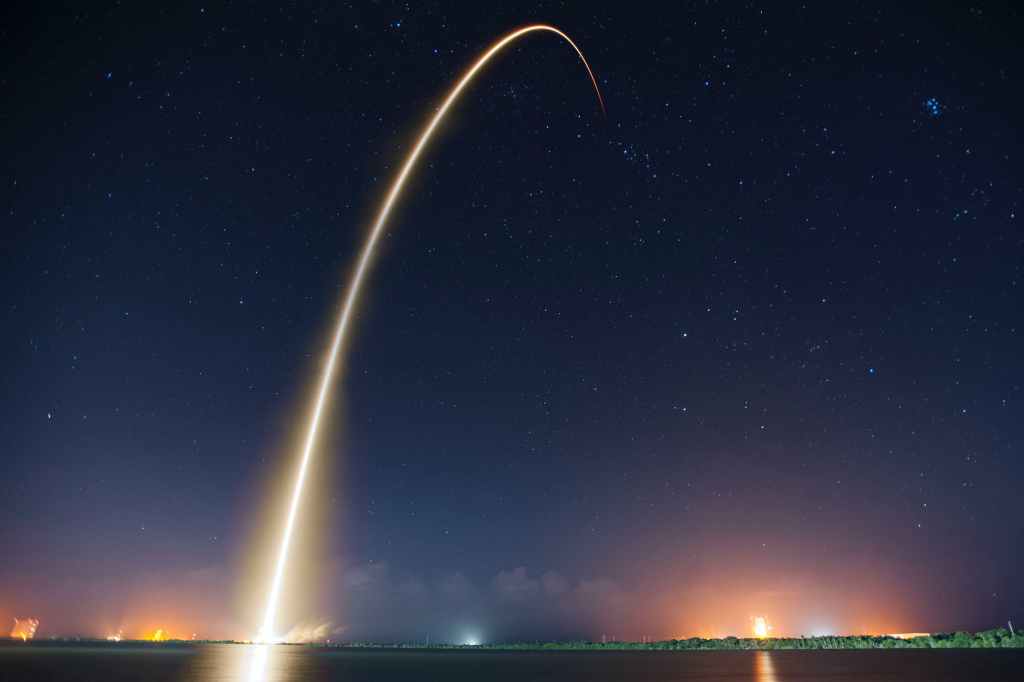
The European Space Sector as an Enabler of EU Strategic Autonomy
Today, the European Union can boast a degree of strategic autonomy in space. Projects such as Galileo have not only enhanced the EU’s economy, but they may confer on the Union the ability to amplify its Common Foreign and Security Policy and Common Security and Defence Policy. While the EU…
-

Yearbook of European Security 2020
Abstract The 2020 Yearbook of European Security provides an overview of events in 2019 that were significant for European security and it charts major developments in the EU’s external action and security and defence policy. The 2020 Yearbook of European Security contains region- and issue-specific sections, content-centric timelines, key EU…
-
The EU’s Strategic Compass and Its Four Baskets: Capability Development
The Strategic Compass promises to give the EU greater clarity over the strategic direction of CSDP and, potentially, EU security and defense more broadly. Which direction is the EU headed? What do North, South, East, and West mean in the context of CSDP? Who is carrying the Compass, and who…
-

Uncharted Territory? Towards a Common Threat Analysis and a Strategic Compass for EU security and defence
Words have meaning. European Commission President Ursula von der Leyen took up her mandate calling for a ‘geopolitical Commission’ and Josep Borrell, the High Representative of the Union for Foreign Affairs and Security Policy/Vice-President of the European Commission (HR/VP), echoed this by stating that the EU needs to ‘learn the…
-

EU-Japan Cooperation on Defence Capabilities: Possibilities?
European countries and Japan both possess advanced defence technologies and they can bring to bear a range of civilian or dual-use technologies for defence procurement and defence research. At the same time, both players recognise that it is increasingly difficult for individual countries to manage defence equipment projects without cooperation.…
-

The EU must not let the four horsemen of the Apocalypse weaken Europe’s security
The looming economic recovery may take its toll on Europe’s armed forces and civilian experts – they will be expected to do more with less money. This has to be avoided at all costs. Were there not four horsemen of the Apocalypse? Just as the virus was spreading in China,…
-
CSDP in 2020: The EU’s Legacy and Ambition in Security and Defence
The past 20 years of the Common Security and Defence Policy (CSDP) have taught us more about the EU as an international actor. While the Union has not entirely lived up to the ambitions set down by European ministers at the Helsinki European Council in December 1999, the EU has developed…
-

Will European Defence Survive Coronavirus?
The tragedy that is the Coronavirus has already claimed too many lives, but it has also allowed Europe’s public services to shine. Citizens across Europe are rightly applauding the tireless work of medical professionals, police and transport workers. Europe’s armed forces have also been called on to roll back the virus. Whether…
-

Small can be beautiful… in defence
How are small states supposed to make sense of all the changes that have taken place in EU security and defence since 2016? It can often feel like EU defence is a subject reserved for the ‘big fish’ like France and Germany, but EU initiatives like Permanent Structured Cooperation (PESCO)…
-

Digitalising Defence: Protecting Europe in the Age of Quantum Computing and the Cloud
Abstract Digital technologies can vastly improve the operational readiness, effectiveness and technological sovereignty of Europe’s armed forces. For defence to benefit from digitalisation, both the greater interoperability of digital technologies and financial investment is required. The Multi-annual Financial Framework is a test for how serious EU member states are about the digital agenda but low…
-

A Future Scenario for a More Strategic EU Defence
Abstract As the journalist from Euronews asked what it was like to be held hostage by jihadists for four months since June 2024, the three student backpackers could not hold back the tears. Europeans Paulus Klimitz and Katriona Wicedz and the American John O’Connor were visibly emotional as the EU Ambassador to…
-
Strategic Investment: Making Geopolitical Sense of the EU’s Defence-Industrial Policy
Abstract This Chaillot Paper focuses on new EU initiatives in the defence domain – in particular the creation of the European Defence Fund – and on the Union’s evolving role and engagement in this sector. The paper seeks to address three specific questions: (i) how can economic and political factors be balanced…
-
EU – NATO Relations: Defence Industry, Industrial Cooperation and Military Mobility
Abstract Issues pertaining to the defence industrial sector represent a perennial tension in EU- NATO relations. The tension exists both between the two organisations and the con- stituent members of each body. In short, the possibilities for and limits to EU-NATO cooperation on defence-industrial matters are conditioned by considerations of…
-

Yearbook of European Security 2019
Abstract The 2019 Yearbook of European Security provides an overview of events in 2018 that were significant for European security and charts major developments in the EU’s external action and security and defence policy. With a new data-rich look, the 2019 Yearbook of European Security contains many novel features including…
-

The Poison Pill: EU Defence on US Terms?
It took two letters. One, sent to Brussels on 1 May 2019 by two US undersecretaries, accused the EU of damaging transatlantic cooperation and hindering US access to Europe’s defence market through the rules it plans to set for the participation of third states in the European Defence Fund (EDF)…
-

Innovating and Offsetting? The Political Economy of US Defence Innovation
Defence is the ultimate public good, and it thus falls to government to determine the appropriate amount of public revenue to commit to the defence of the realm. This will depend on history, strategic threat, international security obligations, entreaties from allies and, of course, the threat faced. The Political Economy…
-
Military CSDP operations: strategy, financing, effectiveness
This chapter looks at the intersection of the legal and operational parameters in which military operations are deployed under the EU’s Common Security and Defence Policy (CSDP). To this end, the chapter focuses on the challenges related to ‘mission creep’ and the flexibility of operational objectives, to the financial and…
-
The Multiannual Financial Framework and European Defence
Thirteen billion euros. This amount of money is perhaps of little significance when taken as a stand-alone item in the next EU Multiannual Financial Framework (MFF). But in light of the fact that the European Commission has requested this amount for defence research and capability development, it becomes much more…
-
Strategic Autonomy: Towards ‘European Sovereignty’ in Defence?
Strategic autonomy. Two familiar words that are yet again in vogue in Europe but which cause confusion and, in some quarters, even alarm. The last time strategic autonomy stirred controversy was in 2003 during the run-up to the Iraq War, but perhaps the most well-known instance followed the Balkan crisis…
-
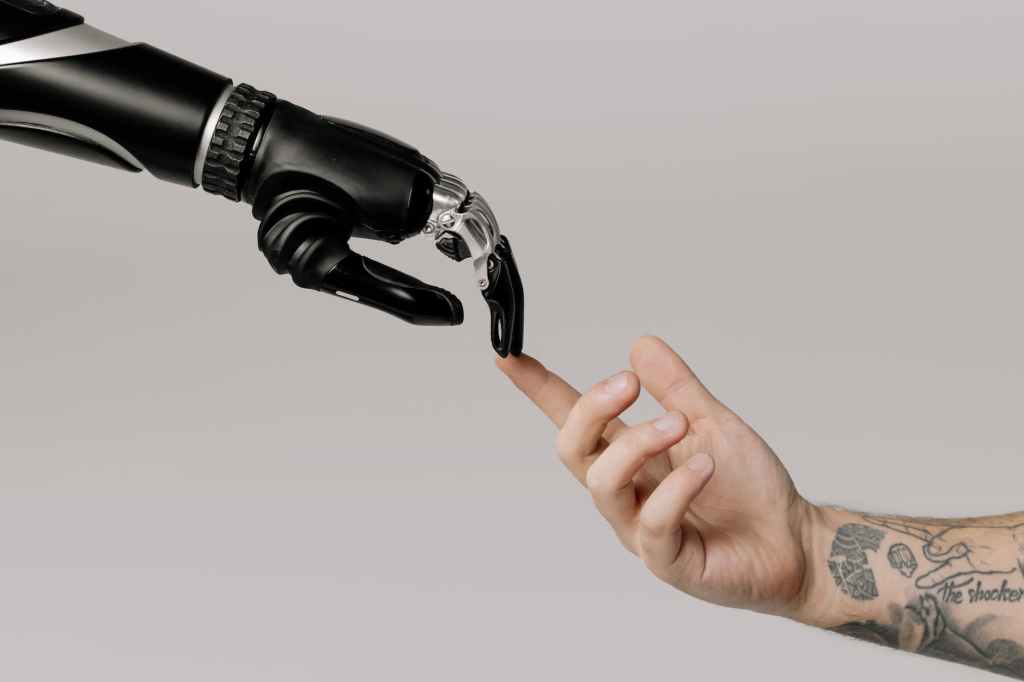
Artificial Intelligence: What Implications for EU Security and Defence?
Consider a world where human decision-making and thought processes play less of a role in the day-to-day functioning of society. Think now of the implications this would have for the security and defence sector. Over the next few decades, it is likely that Artificial Intelligence (AI) will not only have…
-

Yearbook of European Security 2018
Abstract The EUISS Yearbook of European Security (YES) 2018 is the Institute’s annual publication compiling key information and data related to the EU’s Common Foreign and Security Policy (CFSP) and Common Security and Defence Policy (CSDP) in 2017. YES 2018 opens with a preface by Federica Mogherini, High Representative for…
-
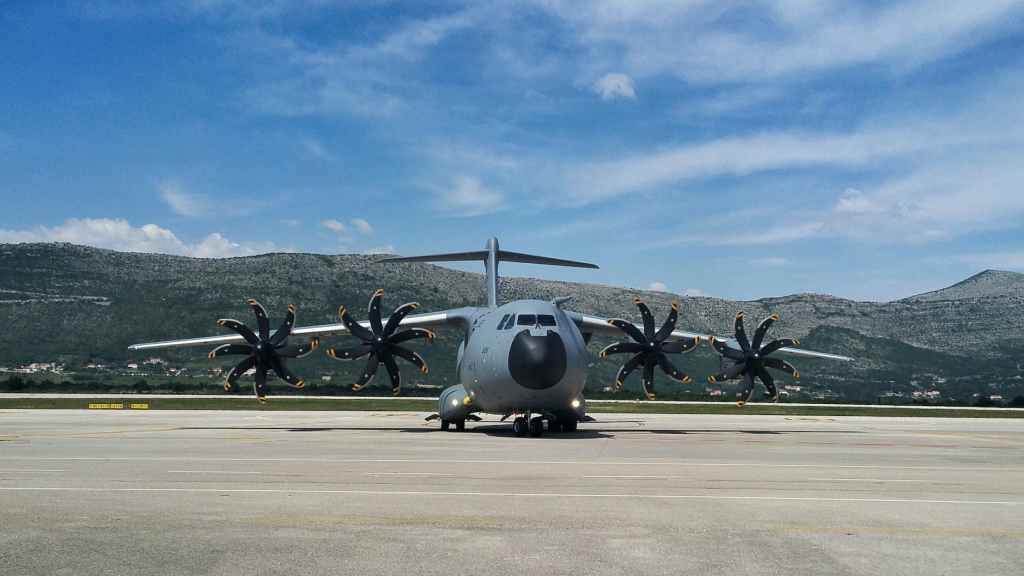
EU Defence Capability Development: Plans, Priorities, Projects
Enthusiasts of strategic studies will be familiar with the tripartite, quasi-mathematical equation of ends, ways and means. Over a period of 18 months or so – beginning in June 2016 with the publication of the EU Global Strategy (EUGS) and culminating with Permanent Structured Cooperation (PESCO) in December 2017 –…
-
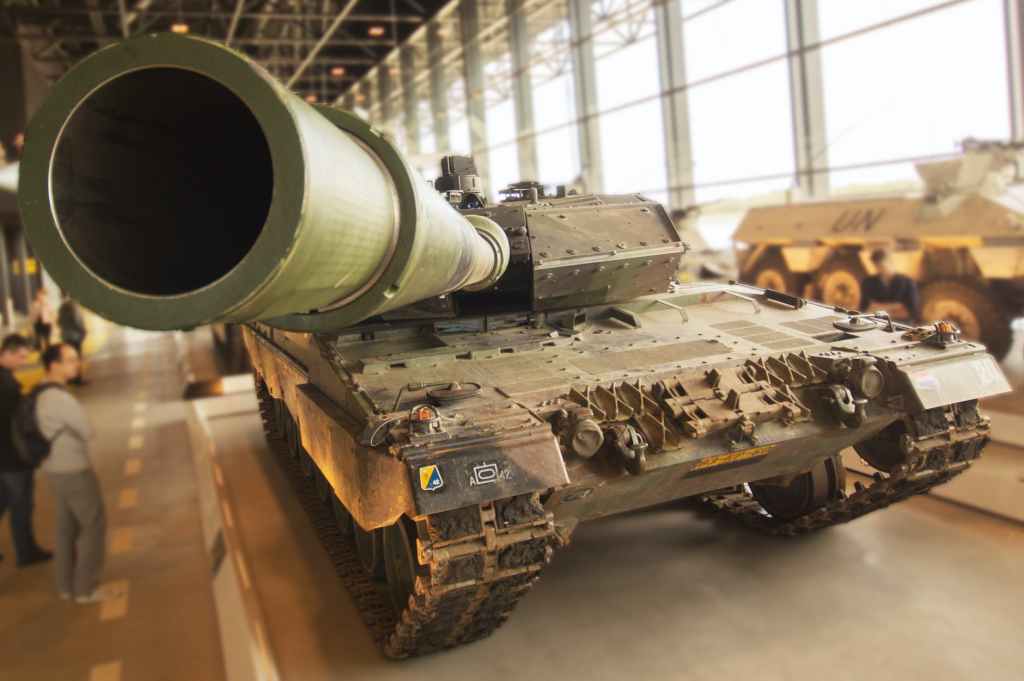
Protecting Europe, Permanently? The Future of EU Defence
One of the first initiatives that emerged from the EU Global Strategy was the formation of a single military planning and conduct capability for the strategic command of some of the EU’s military CSDP operations. The logic is that having a single command structure for operations, as opposed to an…
-
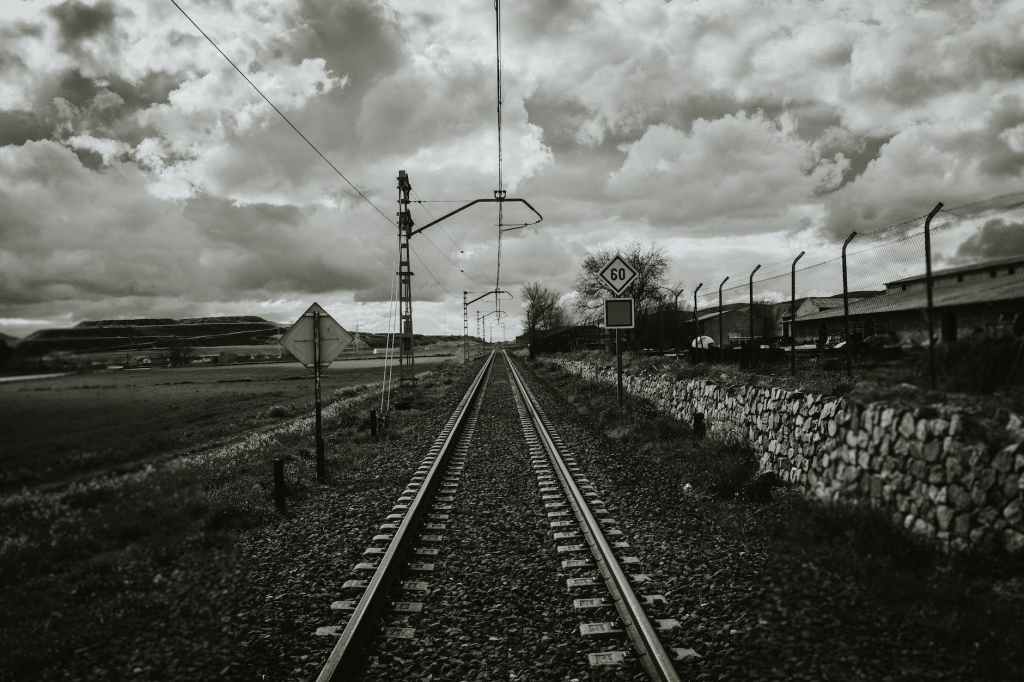
Towards Military Mobility?
The idea that the transportation of military personnel and equipment within Europe is still subject to physical, legal and regulatory barriers may seem odd, especially given the freedom of movement experienced under the Schengen Agreement and the nature of collective deterrence as defined by NATO’s founding Washington Treaty. NATO has…
-
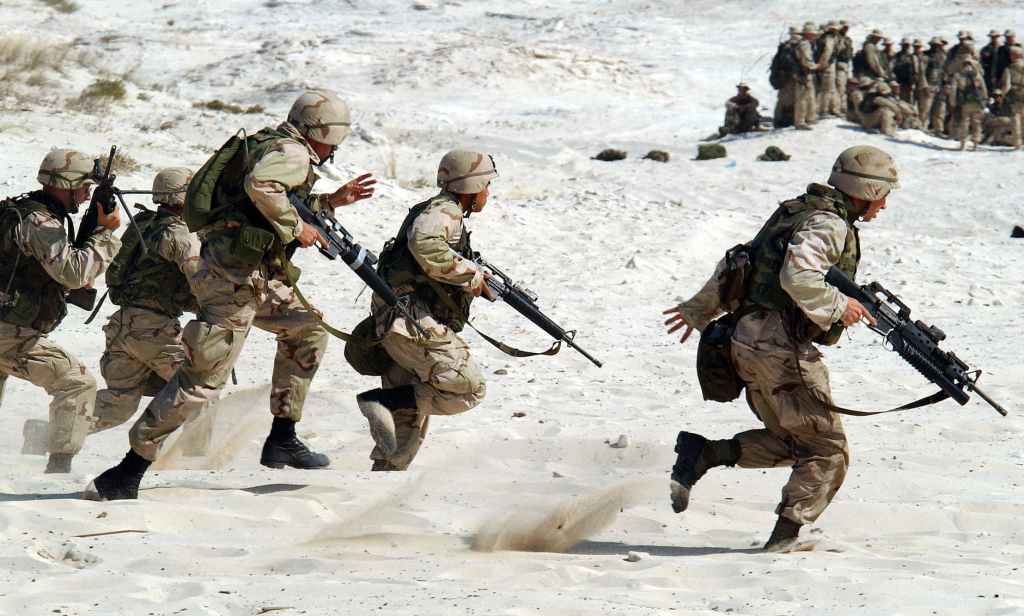
Permanent Structured Cooperation: What’s in a Name?
Abstract Permanent Structured Cooperation (PeSCo), the so-called ‘sleeping beauty’ of EU defence, is awake. Still barely predictable only a year ago, PeSCo is an ambitious, binding and inclusive legal framework aimed at incentivising defence cooperation among member states. PeSCo is based on binding commitments between member states that could promote…
-

The Cybridisation of EU Defence
While the issue of cyber security is pervasive, cyberdefence is not. Not only are documents such as the EU Global Strategy replete with references to the challenges emanating from cyber, but EU member states and institutions are taking important steps (such as greater investment in cyber capabilities and the establishment of dedicated national…
-
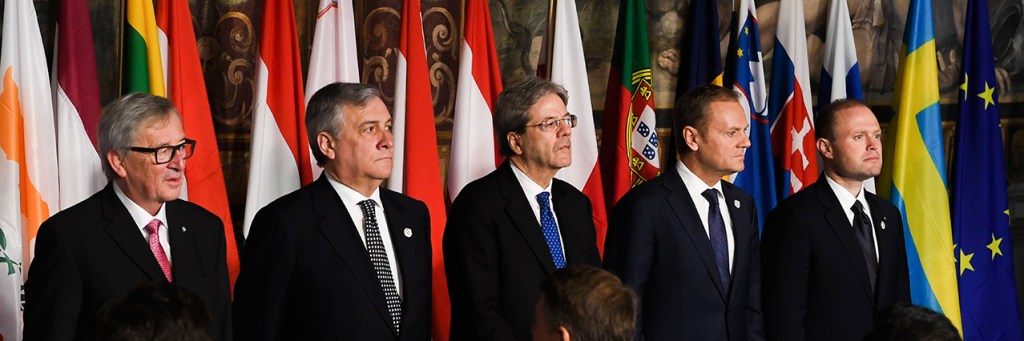
European defence, 60 years after the Treaty of Rome
The symbolism of the Capitoline Hill, where the Treaty of Rome was signed over sixty years ago, cannot have been lost on the original signatories of the treaty. As the former location of temples to the gods Saturn and his son Jupiter, the Capitoline Hill embodied wealth, renewal and liberation.…
-

Defence in Detail
Abstract The following pages bring together data on defence spending from three different sources: the International Institute for Strategic Studies (IISS), the North Atlantic Treaty Organization (NATO) and the Stockholm International Peace Research Institute (SIPRI). Data for 2016 from the EDA were not available at time of publication. IISS and SIPRI figures dis-…
 Daniel Fiott